Showing posts with label Main Lesson. Show all posts

Saturday, September 6, 2025

Text 1 - Lauca National Park: Life at the Top of the World


Imagine standing at more than 4,500 meters above sea level, surrounded by snow-capped volcanoes and endless blue skies. Lauca National Park, located in Chile’s far north near the border with Bolivia, welcomes visitors to the vast highlands, or altiplano. It is a place of extreme beauty and silent strength, where life survives against the odds.

The park is famous for its breathtaking landscapes. One of the highlights is Lake Chungará, one of the highest lakes in the world, reflecting the perfect cone of the Parinacota Volcano. Around the lake, you can often see vicuñas and alpacas grazing on the sparse grass. Birdwatchers can enjoy spotting flamingos and giant coots in nearby wetlands.

Hiking here feels different from other parts of Chile because of the altitude. Visitors can explore short trails around Chungará or longer treks across the arid plateau. Some paths are easy and suitable for gentle walks, while others are more demanding and could test even experienced hikers. You can also visit the small Andean villages inside the park, where traditional stone houses and ancient churches remind you of a culture that has lived in the highlands for centuries.

Because the park is part of the Andean highlands, the climate is dry and the sun is strong during the day, but nights are very cold. Travelers should be prepared with proper clothing, sunscreen, and plenty of water. The thin air means that walking can feel more tiring than at lower levels, so it is wise to rest often and move slowly.

Accommodation and Logistics

Most visitors arrive from the town of Putre, about two hours by road from Arica, on the Pacific coast. The road climbs quickly into the mountains, offering views of valleys, volcanoes, and open plains. Inside the park, there are basic camping areas and small guesthouses in nearby villages. Do not expect luxury hotels — the experience here is about simplicity and being close to nature.

Tips and Responsible Tourism
Respect is essential in this fragile environment. You must avoid leaving litter, and you should never disturb the wildlife. Feeding animals like alpacas or vicuñas might seem friendly, but it actually harms their natural behavior. Fires are forbidden because the dry air and strong winds can turn a small flame into a disaster. It is also important to recognize that this park is a protected area under Chilean law, which means visitors have the responsibility to conserve it for the future.

Conclusion
Visiting Lauca is less about comfort and more about discovery. It is a place that shows the resilience of life at high altitude and invites you to reflect on how nature and culture adapt to extreme conditions. Imagine yourself walking slowly along a trail, breathing the thin, cold air, and watching the sun set behind a volcano. What would you want to tell your friends about this experience?


Three friends go around the parks. As they walk the trails and hike the mountains, they learn about nature, local culture and more. These are their experience at Lauca National Park: Story 1 and Story 2


Picture from: https://www.conaf.cl/parque_nacionales/parque-nacional-lauca/


Thursday, September 4, 2025

Text 4: Pre-Meeting Check-in


Leo: Hey, Aline. Do you have a minute? We have the meeting with the manager soon, and I just wanted to do a quick check-in. Have you looked at the final numbers for your report?

Aline: Hi, Leo. Yes, I just finished it. I think everything looks very good. I feel confident about the meeting.

Leo: That's great to hear. What are the main points you're going to present? What about the Key Performance Indicators, the KPIs? What do they tell us?

Aline: The KPIs are very positive. I'm happy to tell the manager that we have a 95% rate of meeting our delivery deadlines for the project. This shows that we are very efficient and that our team is on track.

Leo: Fantastic! And what about the money side? Are we on budget? That’s always a very important question.

Aline: Yes, that's the best news. Our project costs are very good. We are still 3% below the estimated budget. This is a great result and it shows that we are managing our resources effectively.

Leo: Perfect. It sounds like you have all the data. Is there anything else we should mention? Any potential risks?

Aline: I’ve reviewed the data carefully, and I don’t see any major risks right now. I'll just recommend that we continue to focus on finding ways to optimize our processes. That's a key part of our work, and it's what makes the projects so successful.

Leo: Good. You have a very strong case for the meeting. Thanks for the quick update, Aline. It makes me feel a lot more confident.

Aline: No problem, Leo. It's a team effort. Let's go show the manager how successful we are!


Text 3: Working with Data and Budgets


In my job, I have a direct relationship with my manager. My manager often asks me for project reports and information about our Key Performance Indicators, or KPIs. These are very important for our work. KPIs are like a score that tells us if our projects and our company are successful. They help us to know if we are achieving our goals.

I frequently review different KPIs with my manager. For example, we check our delivery deadlines. This tells us if we are on schedule. We also look at our project costs. My manager needs to know if we are on or under budget. Staying on budget is very important. I also analyze how we use our resources and the results of our tender processes. My work is about using data to show our progress.

Sometimes, in a meeting, my manager may ask me for specific numbers. For example, my manager can say, “I need details on the project status and if we are within the assigned budget.” I answer with real numbers. For example, I can say, “Currently, we have 95% of our deadlines met,” or “Our costs are 3% below the estimated budget.”

Our conversations about KPIs are very helpful. We use the data to find any risks in our projects and to find ways to improve. This helps us to make our processes better and to make sure our projects are successful. My work is fundamental to helping the team and the company make good decisions.


Sunday, August 31, 2025

BE - Text 2 - My Life Outside of Work


When I am not working, my life is busy with my partner, Esteban, and our dog, Cloe. We live in a nice area in Santiago called Ñuñoa. It is a very active neighborhood, and we enjoy spending time there.

On the weekends, Esteban and I like to relax. In the mornings, we often stay in and read books or listen to music together. I find this very calming after a long week of work. In the afternoon, we like to go for a walk with Cloe in the park. Cloe is a small dog, but she loves to run and play. The park is a great place to exercise and enjoy the fresh air.

Esteban and I also enjoy going out to a coffee shop in our neighborhood. We like to sit and talk, and sometimes we plan our week ahead. Ñuñoa has a lot of great restaurants and cafes, so we always have a good time. We also love to cook dinner together at home. We often try new recipes from different countries. Cooking is a great way to spend time together and we both enjoy a good meal.

At home, we like to watch movies or TV shows in the evenings. Our favorite type of shows are documentaries about economic or scientific topics. It's a great way for us to learn new things and relax at the same time. Sometimes, we also play board games with friends.

I think a good balance between work and personal life is very important. These activities with Esteban and Cloe help me relax and feel happy.


BE - Text 1 - A Day in my Professional Life


Hello. My name is Aline. I'm a professional with a background in Industrial Civil Engineering, specializing in Management Systems. I am 25 years old. For the past two years, I have worked on different projects that required strong analytical skills and effective communication. I am currently looking for a new professional opportunity.

On a typical workday, I start my day by checking my emails and reviewing my task list. I usually work with a team, so collaboration is a big part of my routine. I often attend meetings to discuss project progress and new ideas. In these meetings, I share data and make sure that our work meets all the contractual terms. I have experience in cost analysis and tender processes, so my daily activities often involve numbers and careful planning.

I am a very responsible and proactive person. I also consider myself detail-oriented and highly adaptable to different work environments. I believe these qualities are important because they help me contribute to the team and the company's success. My primary role is to ensure everything runs smoothly, from data analysis to final reports.

I love my job because I have the opportunity to learn new things constantly. I am passionate about seeing how my work makes a positive impact, both on the company's results and on the performance of my team. I enjoy collaborating with colleagues and I find it very rewarding when we achieve our goals together.


Monday, August 25, 2025

Dubrovnik: Walking Through History by the Adriatic Sea


Dubrovnik, famously known as the "Pearl of the Adriatic," is far more than just a beautiful ancient city; it’s a vibrant place where visitors actively step back in time while enjoying the breathtaking beauty of the Dalmatian coast. Here, the impressive medieval walls and the sparkling clear sea create an experience that truly connects you to centuries of history and enduring romance.

The quintessential Dubrovnik experience begins with walking the ancient city walls. People spend hours circumnavigating the entire Old Town, which provides unparalleled panoramic views. From this high vantage point, you gaze down at the terracotta rooftops and the busy marble streets below, while simultaneously looking out across the endless, deep blue Adriatic Sea. You can almost feel the presence of past defenders, imagining their watch over the city. It’s an active way to absorb the city’s grand scale and its strategic position.

Inside the walls, life hums with a charming energy. Visitors stroll along the Stradun, the main pedestrian street, its polished limestone gleaming under the sun. They discover hidden courtyards, explore ancient churches, and admire intricate fountains that have stood for hundreds of years. You might happen upon street performers or local musicians, adding to the lively atmosphere. It’s a delightful journey of exploration where every corner reveals another layer of history.

The Adriatic Sea is an integral part of the Dubrovnik experience. Many people enjoy swimming from the rocky beaches just outside the city walls, feeling the cool, clean water. Others take short boat trips to nearby islands like Lokrum, where they can explore secluded coves or simply relax under the pine trees. A particularly popular activity is to kayak around the city walls at sunset, offering a unique and memorable perspective of the mighty fortifications from the water.

As evening arrives, Dubrovnik transforms into an even more magical place. Restaurants, often located in charming stone buildings or with sea views, invite guests to savor fresh seafood and local Croatian wines. People linger over their meals, enjoying conversations as the city lights reflect on the ancient stone. The atmosphere is undeniably romantic, a perfect blend of historic grandeur and Mediterranean tranquility.

Visiting Dubrovnik means immersing yourself in a rich historical narrative while enjoying the active pleasures of a beautiful coastal environment. It’s an unforgettable journey that leaves a profound and lasting impression on all who experience its unique blend of past and present.


Monday, August 11, 2025

Positano: Living Vertically on the Amalfi Coast


Positano, nestled dramatically on Italy's famous Amalfi Coast, is not merely a sight to behold; it is a captivating experience that involves constant movement and discovery. Here, buildings seem to cling impossibly to steep cliffs, tumbling down to the sparkling Tyrrhenian Sea. Visitors don't just see Positano; they live its vertical landscape, engaging with its unique charm at every turn.

Your journey into Positano often begins from the sea. People arrive by ferry or private boat, which offers the most spectacular first glimpse of the town's vibrant, pastel-colored houses stacked one upon another like a beautiful dream. Once ashore, the real exploration starts. You immediately find yourself navigating a fascinating network of steep, winding staircases and narrow alleys that lead you down towards the main beach or up to higher viewpoints. Every step you take is a discovery, revealing hidden gardens, small chapels, and breathtaking new perspectives of the bay below. It’s an active adventure, certainly, but one filled with incredible rewards.

Life in Positano naturally revolves around the sea. Visitors spend warm afternoons lounging on the pebble beaches, soaking up the Mediterranean sun, or taking refreshing swims in the incredibly clear, turquoise waters. Many choose to rent a small boat or join a tour to explore the coastline's famous grottos and secluded coves. From the water, you truly appreciate the sheer scale of the cliffs and the daring architecture of the town rising above you.

The town also invites you to engage with its unique local style. You'll often see visitors strolling through charming boutiques, looking for the famous Positano linen fashion – light, comfortable clothes perfect for the warm climate – or hand-made leather sandals. It’s a delightful way to immerse yourself in the local craftsmanship and take a piece of Positano's elegant spirit home.

As evening descends, the town transforms. Restaurants, many of them perched dramatically on the cliffside, begin to welcome guests. People savor delicious fresh seafood, pasta dishes, and local limoncello, all while enjoying unparalleled views as the thousands of lights of Positano begin to twinkle, making the town glow like a cascade of jewels against the dark sea. This is when the romantic atmosphere truly comes alive, as couples share intimate moments amidst the stunning backdrop.

Visiting Positano means experiencing a place where natural beauty, human ingenuity, and a relaxed, elegant lifestyle intertwine. It’s an active and sensory journey that leaves an indelible impression, urging you to revisit its unique vertical magic.

Now you can do the QUIZ.

Monday, August 4, 2025

St Ives: Embracing Art and Ocean Life


St Ives, located on the beautiful Cornish coast of England, is much more than just a pretty seaside town; it’s a place where visitors actively step into a vibrant tapestry of art, history, and natural beauty. Here, the unique light, the working harbour, and the sandy beaches create an atmosphere that genuinely invites you to slow down and embrace the rhythm of coastal life.

When you arrive in St Ives, you immediately feel its distinctive character. People spend their days wandering through a maze of narrow, cobbled streets that wind uphill and downhill, discovering delightful independent shops, cozy cafes, and numerous art galleries around every corner. You often find yourself pausing at unexpected spots to admire the views of the sparkling blue water, or to watch the fishing boats come and go in the busy harbour, observing local fishermen as they prepare their nets or unload their catch. The town’s rich maritime heritage is evident everywhere you look, making you feel connected to generations of sea-faring life.

St Ives is particularly famous for its magnificent sandy beaches, which offer different experiences. You can relax on the soft sands, take a refreshing dip in the clear, often calm waters, or simply enjoy watching children build sandcastles and families playing. The quality of light here is renowned, attracting artists for centuries, and you’ll frequently spot painters with their easels capturing the luminous glow on the water and the vibrant colors of the town. A visit to the Tate St Ives gallery allows you to delve deeper into the art that this special light has inspired.

Food in St Ives is another essential part of the experience. Visitors love to savor freshly caught seafood at the many restaurants overlooking the harbour. It’s also an absolute must to try a traditional Cornish pasty – a delicious savory pastry that fuels you for further exploration. People often enjoy a warm drink in a charming café or a local pub, listening to the sounds of the gulls and the gentle lapping of the waves.

As the day unwinds, many choose to take a leisurely stroll along the coastal path, extending their connection with the rugged beauty of the Cornish landscape. This allows you to breathe in the fresh sea air and witness the shifting colors of the sunset over the Atlantic. St Ives offers an authentic and engaging experience, making every moment an active part of living its unique blend of artistic inspiration and charming seaside life.

Now you can do the QUIZ.

Friday, August 1, 2025

Santorini: Living the Dream on the Caldera


Santorini is more than just a beautiful island; it's a place where visitors actively step into a living postcard and create unforgettable memories. This volcanic island in the Aegean Sea is famous globally for its dramatic landscapes, its characteristic white-washed villages, and sunsets that truly take your breath away. People travel from all corners of the world to immerse themselves in its unique charm.

Upon arriving, whether by ferry or plane, a sense of wonder often washes over you as the island's unique shape, the caldera, becomes clear. Exploring the main villages of Fira and Oia involves a delightful journey through narrow, winding paths. Here, you wander past charming boutiques and art galleries, frequently stopping to discover unexpected viewpoints that offer stunning perspectives of the deep blue sea meeting the cliffs. You often find yourself climbing stairs that lead to hidden terraces, or peeking into the blue-domed churches that dot the landscape, each turn revealing another picture-perfect scene.

A significant part of the Santorini experience involves engaging with the caldera itself. Many people choose to take a boat trip from the old port, sailing across the calm waters to the volcano. Here, you can swim in the warm, volcanic hot springs, feeling the unique minerals on your skin, or simply relax on deck, absorbing the incredible sight of the island rising majestically from the sea. Seeing the villages from below gives you a powerful sense of their dramatic position.

As the day nears its end, one of the most anticipated rituals begins: the sunset viewing. People begin to gather in Oia, finding their spot along the walls or at a cliffside café, ready for the magnificent show. As the sun slowly dips into the Aegean, the sky explodes with vibrant colors, painting the white buildings in shades of orange, pink, and purple. It’s a shared, collective moment where everyone feels a sense of awe and connection.

Dining in Santorini is also an experience for the senses. You enjoy delicious Mediterranean cuisine at restaurants perched high on the cliffs, where every meal comes with an unparalleled view. Tasting the local Assyrtiko wine, grown in the volcanic soil, allows you to connect with the island's unique agricultural heritage.

For many, Santorini offers the perfect setting for romance. Couples often share quiet dinners, stroll hand-in-hand through the moonlit alleys, and create intimate moments against the backdrop of its incredible beauty. It’s a place that inspires deep connections and leaves an indelible mark on your heart.


Friday, July 4, 2025

Cinque Terre: Where Life Meets the Cliffs

File:Cinque Terre Vernazza.JPG - Wikimedia Commons

Cinque Terre is not just a place you see; it is a collection of experiences waiting to be lived. Located along the stunning Ligurian coastline of Italy, these five small, colorful villages – Riomaggiore, Manarola, Corniglia, Vernazza, and Monterosso al Mare – are truly unique. Here, people come to connect deeply with nature, history, and a slower way of life where the mountains bravely meet the sea.

Most visitors choose to arrive by train, a journey that offers breathtaking glimpses of the dramatic coastline as the railway tunnels through the cliffs. Once you step out, the adventure truly begins. People spend their days hiking along ancient footpaths that connect the villages, offering incredible panoramic views with every turn. Imagine feeling the sea breeze as you walk through vineyards and olive groves, discovering hidden coves and quiet corners that feel untouched by time. Each step on these trails brings a new perspective, revealing the challenging beauty of this region.

Life in Cinque Terre often involves savoring the fresh flavors of the sea. Visitors gather in small squares or by the harbors to enjoy plates of freshly caught seafood, perhaps a delicious fritto misto or local anchovies, always paired with a crisp white wine produced right there on the terraced hillsides. It's common to see people simply sitting, watching the fishing boats come and go, or taking a refreshing dip in the clear turquoise waters that invite you to swim and relax.

As evening approaches, the villages come alive with a softer glow. People stroll along the waterfronts, hand-in-hand, finding the perfect spot to watch the sunset as the sky changes colors over the Mediterranean. The atmosphere becomes incredibly romantic, full of shared moments and quiet conversations. It’s a place where couples often feel their connection strengthen, building lasting memories with every picturesque view.

Visiting Cinque Terre means immersing yourself in an authentic Italian experience. It’s about being active, enjoying delicious food, and allowing the incredible coastal environment to truly refresh your spirit. Every moment spent here is about living the charm of a place where land and sea dance together in perfect harmony. 

Now, you can do the QUIZ.

Saturday, June 28, 2025

The Urban Chef and The Country Cook

 Part 1 - Olivia's Modern Marvel

Kitchen Room Images | Free Photos, PNG Stickers, Wallpapers ...

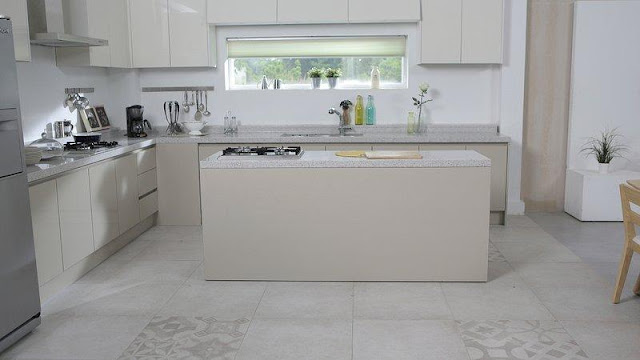
Olivia's apartment kitchen in the heart of the city is a masterclass in modern design. It's an open-plan space, seamlessly flowing into the living and dining areas, perfect for entertaining. The first thing you notice are the clean lines and the sleek, minimalist aesthetic. Everything seems to have its designated place, contributing to a sense of calm and order. The dominant color palette is a sophisticated mix of cool grays, brilliant whites, and polished stainless steel.

At the heart of the kitchen is a large island, truly the focal point. It’s topped with a thick slab of quartz countertop in a light, almost white shade, which is incredibly durable and easy to clean. This island isn't just for show; it's a multi-functional prep zone. On one side, there’s a wide, integrated induction cooktop with four burners. Olivia often says it’s revolutionary how quickly it heats up and how precise the temperature control is. Just above the cooktop, a flush-mounted range hood is almost invisible, blending seamlessly into the ceiling, quietly whisking away cooking fumes.

Along the main wall, a bank of high-gloss, handle-less cabinets reaches from floor to ceiling. They look incredibly chic, reflecting the light and making the space feel even bigger. These aren’t just pretty faces; they conceal a wealth of storage. Behind one set of doors, there’s an integrated refrigerator, a large, double-door model that looks just like another part of the cabinetry. It keeps her fresh produce, gourmet cheeses, and premium meats perfectly chilled. Next to the refrigerator, another tall cabinet hides a built-in double oven, an absolute necessity for Olivia, who loves to bake and roast simultaneously for her elaborate dinner parties. She especially appreciates the convection oven feature for even cooking.

Further down the counter, near a large window overlooking the city, is a deep, undermount sink made of brushed steel. It’s paired with a stylish pull-down faucet that makes washing large pots and pans effortless. Tucked away discreetly beside the sink is an integrated dishwasher, another appliance that disappears into the cabinetry, maintaining the kitchen’s uncluttered look.

The flooring throughout the kitchen is polished concrete, cool underfoot but very resilient. Strategic recessed lighting in the ceiling, along with LED strips under the upper cabinets, provides excellent illumination for all tasks, from chopping vegetables to plating a delicate dessert. There’s even a small, built-in wine fridge at the end of the island, keeping her selection of reds and whites at the ideal serving temperature. Olivia’s kitchen is not just a place to cook; it’s a meticulously designed workspace where she transforms ingredients into culinary masterpieces, a reflection of her precise and contemporary lifestyle.

Part 2 - Liam's Hearty Haven

Fotos gratis : campo, palacio, país, rústico, vacaciones, rural ...

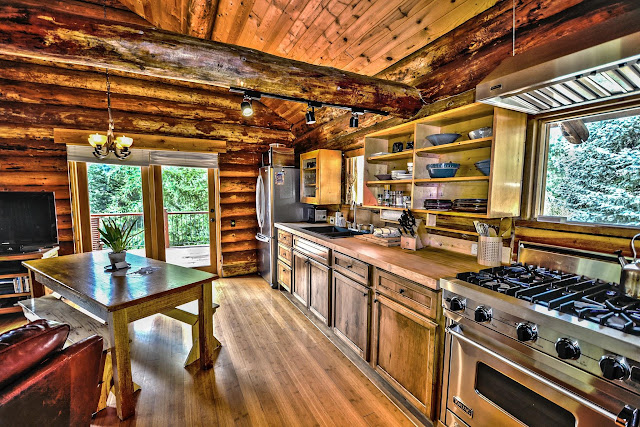
Liam’s kitchen, nestled in his cozy farmhouse in the countryside, is a stark contrast to Olivia’s sleek urban space. Here, the immediate feeling is one of warmth and comfort. It’s a true "lived-in" kitchen, filled with character and the gentle hum of daily life. The air often carries the scent of baking bread or a simmering stew. This kitchen isn't about perfect lines; it's about robust functionality and inviting charm.

The layout is more traditional, with the main cooking area against one wall and a large wooden farmhouse table serving as the central hub, rather than an island. This table, with its slightly worn surface and sturdy legs, has seen countless family meals and countless stories shared around it. It often serves as Liam's primary prep area, especially when he’s rolling out dough or chopping vegetables for a big batch of soup.

The dominant feature of Liam’s cooking zone is a large, freestanding range cooker. It’s an older model, a classic, with a robust cast-iron stovetop and two spacious ovens. Liam swears by its ability to hold heat and cook evenly, especially for his slow-roasted meats and hearty casseroles. Above the range, instead of a modern hood, there’s a simple, vented extractor fan that does the job, along with a collection of copper pots and pans hanging from a rack on the wall, easily accessible and adding to the rustic decor.

His cabinets are solid wood, painted in a soft, warm cream color, with visible hardware that has a charming, antique feel. Many of the upper cabinets are replaced with open shelving, proudly displaying a collection of handmade ceramic mugs, vintage teapots, and glass jars filled with colorful dried herbs and pantry staples like flour, sugar, and pasta. This not only makes things easy to find but also adds to the kitchen’s cozy aesthetic.

The main sink is a large, deep ceramic farmhouse sink positioned under a wide window that offers a view of his garden. It’s perfect for washing large vegetables from his plot or soaking dishes. The faucet is a simple, traditional design. His refrigerator is a classic, large freestanding model, not integrated, but reliable and spacious enough for all his fresh produce and homemade preserves. It sometimes has drawings from his children held by magnets on its door, adding to the homely feel.

The floor is laid with sturdy terracotta tiles, which are durable and add to the earthy tones of the room. Liam’s kitchen is a testament to practicality and tradition. It's a place where food is prepared with love and shared generously, a space that feels comfortable and welcoming to anyone who steps inside, a clear reflection of his grounded, warm personality.

Sunday, May 25, 2025

Giverny: Monet's World of Water Lilies

Road in Giverny to Monet's Garden | The road leading to Mone… | Flickr
Road in Giverny to Monet's Garden

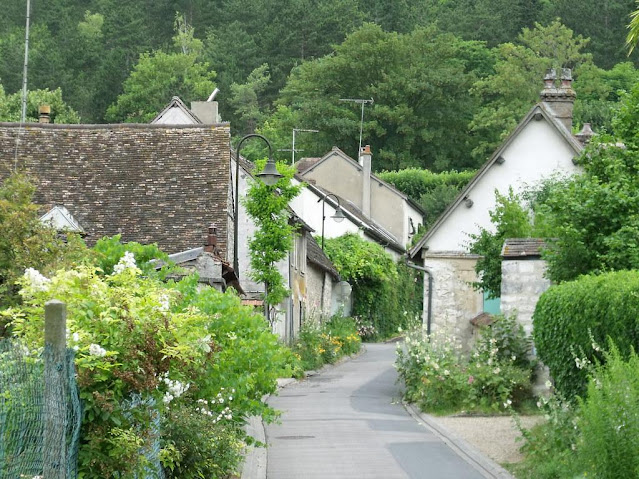
Giverny is a small, quiet village in France. It is famous all over the world because a very important painter, Claude Monet, lived here for many years. He was a master of Impressionism, a style of painting that uses light and color in a special way.

Claude Monet moved to Giverny in 1883. He bought a house and spent many years creating a beautiful garden around it. This garden became his biggest inspiration. Today, you can visit his house and walk in his wonderful garden.

The most famous part of Monet's garden is the water lily pond. He made this pond himself, with a Japanese bridge over it. Many water lilies grow in the pond. Monet painted these water lilies almost 250 times! He loved how the light changed on the water and the flowers throughout the day. These paintings are some of his most famous works.

Monet's work in Giverny changed art. He taught artists to look at light and color in new ways. The peace and beauty of his garden made him very happy and helped him create so many masterpieces.

Today, Giverny is still a very peaceful village. Visitors come from everywhere to see Monet's house and garden. They walk over the Japanese bridge and look at the water lilies, just like Monet did. There are also small art galleries and cafes.

Giverny is more than just a village; it is a living painting. It shows how nature can inspire great art and how one artist's vision can create a place of lasting beauty and quiet romance. 

Key West: An Island of Writers and Freedom

File:Sunset Key Island, Key West, FL, US.jpg - Wikimedia Commons
Sunset Key Island, Key West, FL, US

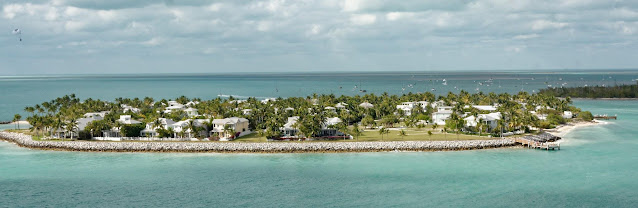
Key West is a special island city at the very end of Florida, USA. It is famous for its warm weather, beautiful ocean, and easy, relaxed way of life. Many artists and writers came here to find inspiration, especially a famous writer named Ernest Hemingway.

Ernest Hemingway was a great American writer. He lived in Key West for about ten years, from the 1930s. His house there is now a popular museum. When you visit, you can see his writing room and the garden. You can also see the many cats that live there, famous for having six toes! Hemingway wrote some of his best books while living in Key West.

The clear blue waters and the life on the ocean deeply inspired Hemingway. He loved to fish in the strong currents around Key West. His famous book, The Old Man and the Sea, is about a fisherman and the ocean. The island's beauty and its unique people often appeared in his stories.

Key West has always been a place for creative people. Many painters, musicians, and writers came here to live and work. The island's free spirit and beautiful light make it a perfect place for new ideas. Its colorful houses and lively streets are full of art.

Today, Key West is still a vibrant place. People enjoy walking along Duval Street, visiting art galleries, and watching the beautiful sunsets at Mallory Square. The city keeps its unique, artistic atmosphere. Key West is not just an island; it's a home for creativity, where life is lived with a sense of freedom and beauty.

Salzburg: A City of Music and Charm

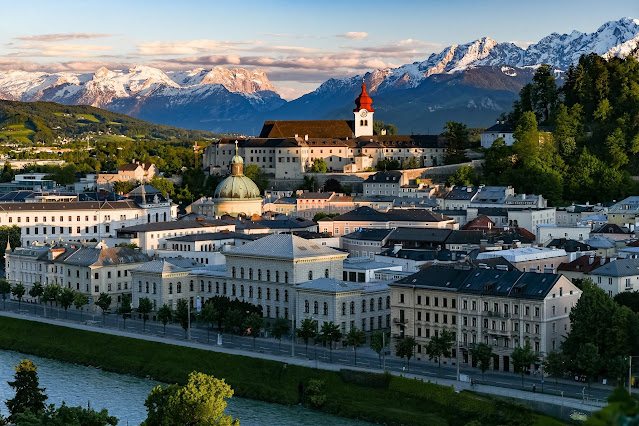
File:Salzburg (48489551981).jpg - Wikipedia

Salzburg is a beautiful city in Austria. It is famous all over the world for its music. A very famous musician, Wolfgang Amadeus Mozart, was born here a long, long time ago. Because of Mozart, Salzburg is called the "City of Music."

Wolfgang Amadeus Mozart was born in Salzburg in 1756. His house is now a museum. Visitors can see where he lived and worked. You can learn about his life and hear some of his music. Mozart started playing music when he was very young, and he wrote many beautiful pieces.

Salzburg is also famous for a very popular movie and musical called "The Sound of Music." This story is about a family who lives in Salzburg. The movie shows many beautiful places in and around the city, like green hills and old buildings. People love to visit these places and sing the songs from the movie.

The old part of Salzburg is very charming. It has narrow streets, old churches, and lovely squares. A pretty river, the Salzach, flows through the city. You can walk along the river or take a boat ride. High above the city is a big castle, Hohensalzburg Fortress, which gives amazing views.

Even today, music is everywhere in Salzburg. You can hear classical music concerts. There are music festivals, especially in summer. The city feels alive with melodies. Salzburg is a special place where history and beautiful music meet. It's a city that truly sings.

Haworth: Home of Storytellers

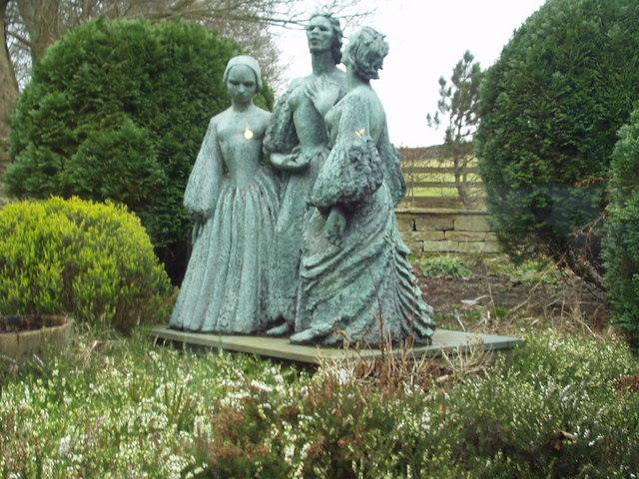
Ficheiro:Bronte Sisters statue, Haworth Parsonage - geograph.org ...
Bronte Sisters statue, Haworth Parsonage

Haworth is a small, old village in England. It sits high on hills, with wild, open land all around it. This place is famous because three sisters, Charlotte, Emily, and Anne Brontë, lived here a long time ago. They were very famous writers.

The Brontë sisters lived in the Haworth Parsonage, a house next to the church. Today, this house is a museum. When you visit, you can see their rooms and how they lived. The house is full of their things, like their books and clothes. It helps you feel close to them.

The land around Haworth is called the moors. The moors are wide, empty places with green and brown plants. The weather can change fast, from sunny to cloudy and windy. These wild moors were very important for the sisters' writing. They inspired their stories and their characters. Emily Brontë's book Wuthering Heights is famous for its strong connection to this wild landscape.

From their quiet home in Haworth, the Brontë sisters wrote many famous books. Charlotte wrote Jane Eyre, Emily wrote Wuthering Heights, and Anne wrote Agnes Grey. These books are loved all over the world. They tell stories of strong feelings and life in old England.

Today, Haworth is still a quiet village. Visitors come to walk on the moors, just like the Brontë sisters did. They also visit the Parsonage Museum to learn about the writers. The village keeps the memory of its famous storytellers alive. Haworth is a special place where nature and literature meet. 

Arles: A City of Light and Art

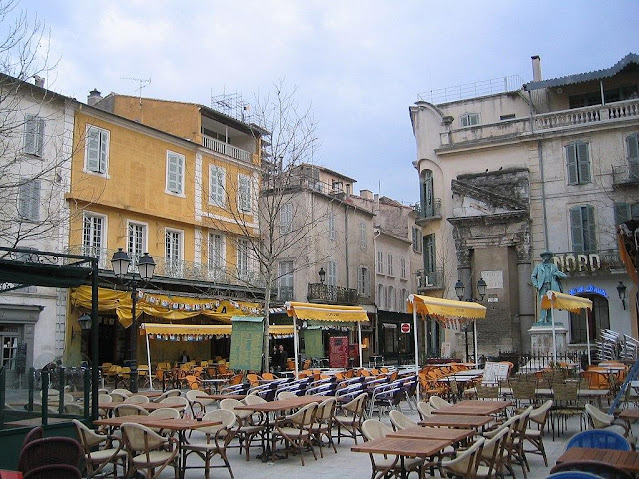
File:Arles-PlaceDuForum.jpg - Wikimedia Commons
Arles-PlaceDuForum

Arles is an old city in the south of France. It is famous for its history and its beautiful light. Many people visit Arles because a very famous painter, Vincent van Gogh, lived and worked here a long time ago.

Vincent van Gogh came to Arles in 1888. He stayed for about 15 months. During this short time, he painted more than 300 pictures. The bright sun and the colorful nature of Arles gave him many ideas. He loved the yellow sun, the green fields, and the blue sky.

Van Gogh painted many famous scenes from Arles. He painted the Rhône River at night, with the stars above it. He painted a café at night, with yellow lights. He also painted sunflowers, which are very bright and happy. These paintings show the world the special beauty of Arles.

Before Van Gogh, Arles was important in Roman times. You can still see very old Roman buildings today. There is a big Roman amphitheater, like a stadium, where people watched shows long ago. There is also a Roman theatre. These old buildings remind visitors of Arles' long history.

Today, Arles is a lively city. It still has its strong connection to art. You can walk in the same streets Van Gogh walked. There are markets with fresh food, small shops, and nice cafes. The people in Arles enjoy their city's history and its sunny atmosphere.

Arles is a special place where history meets art. Its beautiful light continues to inspire new artists, just like it inspired Van Gogh. It's a city where you can feel the past and see the beauty of art all around you.

Saturday, May 24, 2025

The Danish Vikings

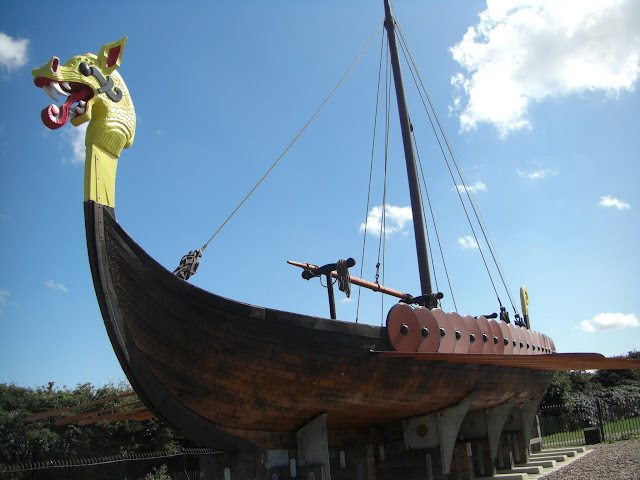
File:Reconstructed Viking longboat "Hugin".jpg - Wikimedia Commons

Are you ready for an incredible journey back in time?

I love history, especially when it involves fearless explorers and powerful warriors! Today, we're going to talk about the Danish Vikings, and trust me, their story is far more interesting than just horned helmets!

Many centuries ago, from around the late 8th century to the mid-11th century, people from Scandinavia, including Denmark, were very active. They were known as Vikings. These were not just pirates; they were also traders, farmers, and skilled craftspeople. But, of course, their most famous activities involved their amazing ships and long journeys across the seas.

The Vikings were famous for their longships. These ships were truly revolutionary for their time. They were long and narrow, but also very stable. The Danish Vikings built these ships with great skill and care. A longship was much faster than other ships of that period, and it could sail in both deep and shallow waters. This ability made them perfect for attacking coastal towns and for traveling far up rivers. Other ships were often slower and less adaptable. They also used a large, colorful sail, but they had many oars for when there was no wind. These powerful ships carried many warriors, ready for adventure .

With these incredible ships, the Danish Vikings went on many raids. They attacked villages and towns in England, France, and other parts of Europe. They took treasures like gold and silver. These raids were often very sudden and violent. People feared the Vikings because of their fierce reputation. However, the Vikings also established large trade routes, and they traded goods like furs, timber, and slaves . This trading activity was a very important part of their economy.

But the Vikings didn't just raid; they also settled in new lands. Many Danish Vikings traveled to England and created new towns and villages there. For example, they founded cities like York. They brought their language, laws, and culture with them. These settlements were often larger and more permanent than their raiding bases. In France, they established the region of Normandy. They also explored distant lands, sailing west across the Atlantic Ocean. Some Vikings even reached North America, long before Columbus. This journey was much longer and more dangerous than sailing to England, so it required even braver sailors.

So, the Danish Vikings were not just fierce warriors. They were also ingenious shipbuilders, adventurous explorers, and clever traders. Their impact on European history was immense, and their stories continue to fascinate us today. It's a rich history, full of action and important changes!


Sunday, May 18, 2025

Ljubljana: A River Runs Through It

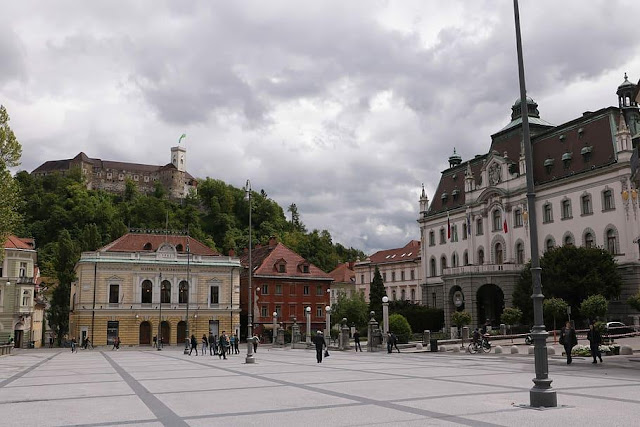
HD wallpaper: City, Ljubljana, Slovenia, Europe, Town, center ...

Ljubljana is the capital city of Slovenia, a country in Europe. A beautiful green river, the Ljubljanica, flows through the heart of the city. This river gives Ljubljana a special and peaceful feeling.

Along the Ljubljanica River, you can see colorful buildings and pretty bridges. One of the most famous bridges is the Dragon Bridge, with its four big dragon statues. Another interesting bridge is the Butchers' Bridge, where many couples put padlocks to show their love.

Boats travel up and down the Ljubljanica River, taking people on sightseeing tours. From the boat, you can see the city from a different and beautiful angle.

People in Ljubljana enjoy spending time by the river. There are many cafes and restaurants along the banks where you can sit, eat, and watch the water flow by. It's a popular place for meeting friends and relaxing.

The river also goes under the famous Ljubljana Castle, which sits on a hill above the city. From the castle, you can see the river winding through the colorful buildings.

The Ljubljanica River and its bridges are very important to Ljubljana. They make the city beautiful and give it a romantic and friendly atmosphere that many visitors enjoy.

Strasbourg: The Charm of Petite France

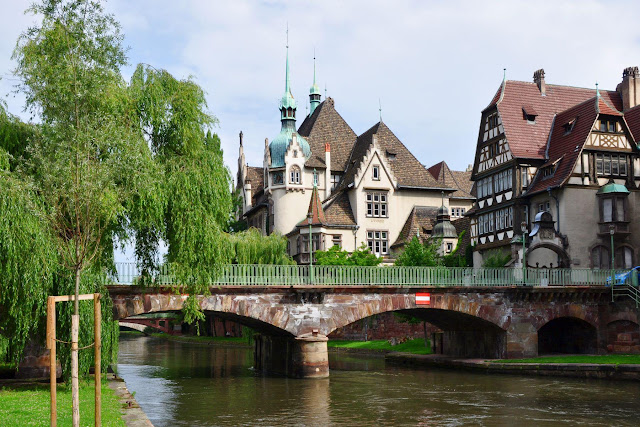
Strasbourg

Strasbourg is a big city in France, but it has a very special small part called Petite France. This area is famous for its canals and old houses. It looks like a picture from the past.

In Petite France, small rivers and canals go between the old houses. These houses are very pretty with wooden beams and colorful flowers on the windows. The water reflects the houses, making everything look even more beautiful.

Long ago, people who worked with leather and flour lived in these houses by the water. They used the water for their work. Now, the canals are mostly for boats that take visitors to see the area.

You can walk along the small streets next to the canals. There are many little bridges that cross the water. From these bridges, you can take wonderful photos of the houses and the water.

There are also nice restaurants and shops in Petite France. You can sit by the canal, eat delicious food, and watch the boats go by. It's a very relaxing and charming place.

Petite France in Strasbourg is like a small village inside a big city. The canals and the old houses tell a story of the past and create a romantic atmosphere that many people love.

Colmar: A Fairytale Town with Water

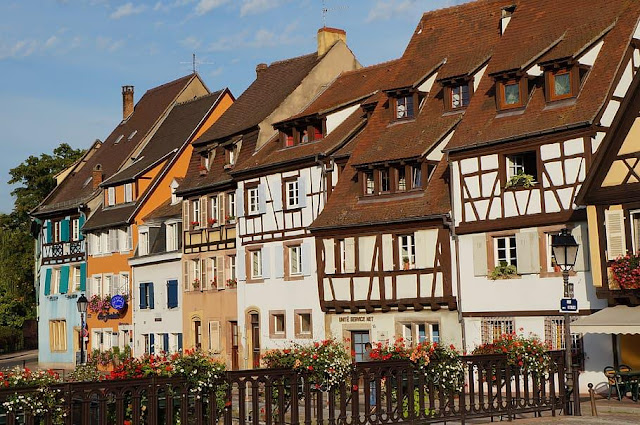
HD wallpaper: home, architecture, colmar, alsace, france ...

Colmar is a very pretty town in France. It looks like it comes straight out of a fairytale. One of the special things about Colmar is its small canals. Because of these canals, some people call one part of Colmar "Little Venice."

The canals in Colmar are not very big, but they are very charming. Colorful houses stand along the sides of the water. These houses are old and have a special style with wooden beams. Many flowers decorate the windows and balconies, making the canals even more beautiful.

You can take a small boat ride on the canals of "Little Venice." As the boat moves gently on the water, you can see the lovely houses up close. It feels very peaceful and romantic. Many couples enjoy these boat rides.

People in Colmar like to walk along the canals too. There are small bridges that cross the water, perfect for taking pictures. You can also find nice restaurants and shops near the canals.

Colmar is a place where the water adds to its magic. The colorful houses, the flowers, and the gentle flow of the canals make it a wonderful place to visit and feel like you are in a dream.