Showing posts with label Scandinavian Countries. Show all posts

Saturday, May 24, 2025

The Danish Vikings - Quick Reading - Day 5

 The End of the Viking Age in Denmark

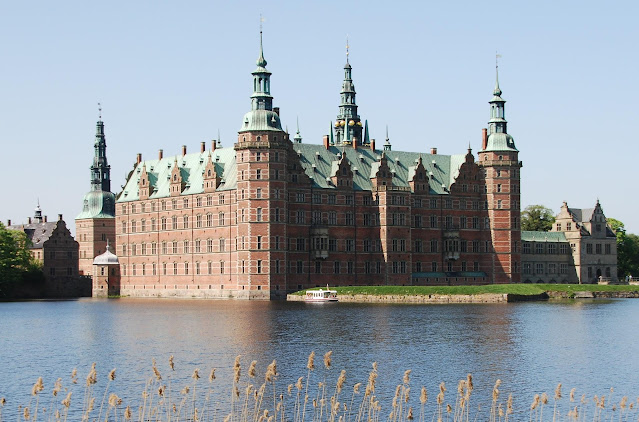
Archivo:Frederiksborg Castle and boat crop.jpg - Wikipedia, la ...
Frederiksborg Castle and boat crop

The Viking Age did not last forever. After hundreds of years, the Danish Vikings changed. One big reason for this change was Christianity. Missionaries from Europe came to Denmark and slowly, over time, the Danish people began to accept the new religion. Christianity brought new ways of thinking and new laws. The Viking raids, which were often violent, became less common because the new Christian beliefs did not support such actions.

Another reason for the end of the Viking Age was the rise of strong kingdoms. In Denmark, kings became more powerful. They built larger armies and navies that they controlled. This meant that individual Viking chiefs could not just sail off and raid as they pleased. The kings wanted to control the land and the people, and they tried to stop the independent Viking raids.

Also, many Vikings settled in the lands they visited. They built new homes and started families in places like England, France, and Russia. They became farmers and traders in these new lands, and their children grew up as part of the local culture. This meant fewer people went on long Viking voyages from Denmark. Slowly, the Viking lifestyle changed, and the Viking Age, as we know it, came to an end, leading to the formation of the Danish kingdom we know today.

Now you can do the QUIZ.

The Danish Vikings - Quick Reading - Day 4

Viking Trade and Economy

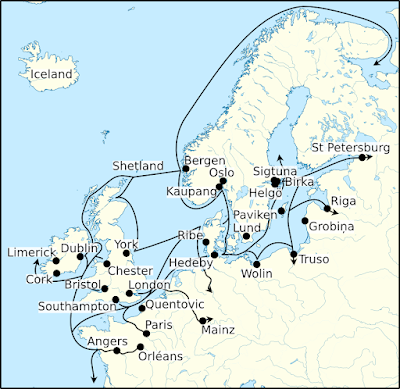
File:Viking Age trade routes in north-west Europe.png - Wikimedia ...
Viking Age trade routes in north-west Europe

The Danish Vikings were not only warriors; they were also very skilled traders. Trade was a very important part of their life and economy. They traveled long distances by sea, bringing goods from faraway lands back to Denmark, and selling Danish products abroad.

The Vikings traded many different items. They often sold goods that they took from other places, like silver, gold, and fine textiles. But they also traded things from their own land, such as animal furs, especially from foxes and wolves, and amber, which is a beautiful fossilized tree resin. They also traded iron tools and weapons that they made. In return, they bought things they needed or wanted, like silk from Asia, wine from France, and different kinds of spices.

They used special weights and scales to measure the value of goods. Silver was a very important form of money. They used silver coins and also pieces of silver that they cut to the correct weight. Trading helped the Vikings become rich and powerful. It also helped them learn about different cultures and bring new ideas and products back to Scandinavia. Their trade routes went across Europe and even further. 

Now you can do the QUIZ.

The Danish Vikings - Quick Reading - Day 3

Viking Life: Homes and Villages

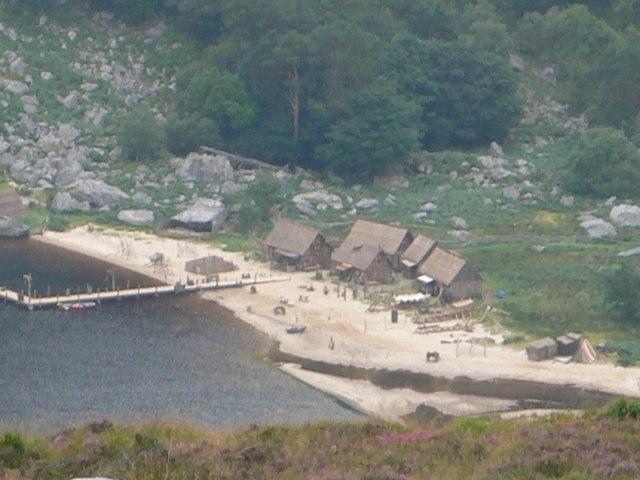
Viking village on Lough Tay © Eirian Evans :: Geograph Ireland
Viking Village in Ireland

The Danish Vikings lived in communities, usually in small villages or isolated farms. Their homes were often longhouses. These were long, rectangular buildings that housed not only the family but sometimes their animals too, especially during the cold winter months. The walls of these longhouses were typically made from wood or wattle and daub (a mix of wet earth, clay, and straw). The roofs were often covered with turf or thatch, which helped keep the houses warm in winter and cool in summer.

Inside a longhouse, there was usually one large room with a fireplace in the middle. Smoke from the fire went out through a hole in the roof. People sat, ate, and slept around the fire, which provided warmth and light. There were often benches along the walls that served as beds at night. Daily life revolved around farming, crafting, and preparing for journeys.

Outside the longhouse, a Viking village had other buildings. There were workshops for making tools, blacksmiths' forges for working with iron, and storage sheds for food and supplies. Animals like cows, pigs, and chickens also lived in the village. Life was simple but demanding. Families worked together to survive and prepare for the next season or the next voyage. Their villages were the heart of their world. 

Now you can do the QUIZ.

The Danish Vikings - Quick Reading - Day 2

Viking Longships: How They Sailed

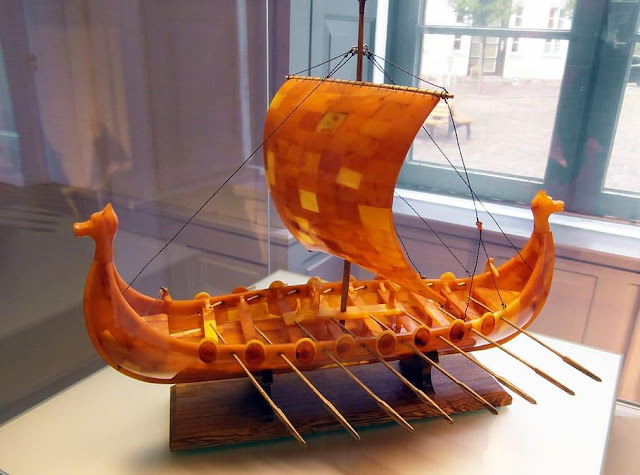
HD wallpaper: viking ship, sail, historically, helm, sailing boat ...

The Viking longship was a truly amazing invention. It was very important for the Danish Vikings because it allowed them to travel far from their homes. These ships were long and narrow, and they were built from strong oak wood. The Vikings used iron tools to cut the trees and shape the planks. They worked hard to make each ship perfect.

A longship had a large square sail in the middle, which helped the ship move fast when the wind blew. But it also had many oars along its sides. When there was no wind, or when they needed to move in a river, the Viking warriors rowed the ship with their oars. This made the ships very flexible; they could sail on the open sea or move quietly up a narrow river.

The ships had a special design that made them very stable on rough waters. They were also light enough to be pulled onto land when needed. This was important for surprise attacks or for repairing the ship. The front of the ship often had a carved dragon or snake head, which looked scary and powerful. These ships were not just transport; they were a symbol of Viking power and their connection to the sea. The skill of building these ships was passed down through generations.

Now you can do the QUIZ.

The Danish Vikings - Quick Reading - Day 1

 Who Were the Danish Vikings?

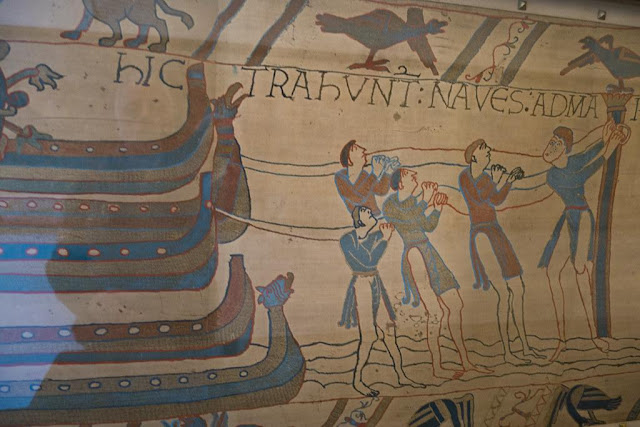
Viking art | Frederiksborg Castle, Danish Museum of National… | Flickr

Many hundreds of years ago, from about the year 793 to 1066, a group of people from Scandinavia sailed across the seas. We call them Vikings. Some of these powerful people came from the area that is now Denmark. They were known as Danish Vikings. These Vikings were not just fighters; they were also farmers, traders, and explorers. They lived in small villages and towns. Their homes were often made of wood and earth.

Life for the Danish Vikings was often hard. They worked on their farms, grew food, and raised animals. But they also built amazing longships. These ships were special because they were fast and strong. They could sail on the open ocean and also in shallow rivers. This allowed the Vikings to travel far and wide.

The Danish Vikings often left their homes in spring. They sailed to many different lands, like England, France, and parts of Russia. They traveled for new land, for trade, and sometimes to take goods. They were very brave and skilled sailors. When they arrived in new places, they sometimes traded things like animal furs, wood, and iron. Other times, they fought for land and riches. Their history is long and full of adventure and change.

Now you can do the QUIZ.


The Danish Vikings

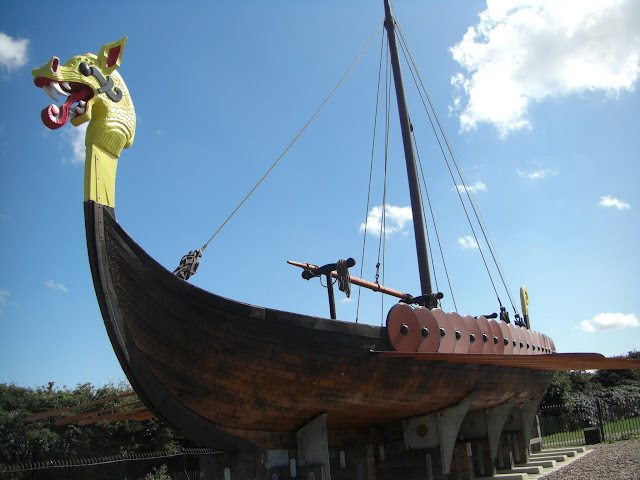
File:Reconstructed Viking longboat "Hugin".jpg - Wikimedia Commons

Are you ready for an incredible journey back in time?

I love history, especially when it involves fearless explorers and powerful warriors! Today, we're going to talk about the Danish Vikings, and trust me, their story is far more interesting than just horned helmets!

Many centuries ago, from around the late 8th century to the mid-11th century, people from Scandinavia, including Denmark, were very active. They were known as Vikings. These were not just pirates; they were also traders, farmers, and skilled craftspeople. But, of course, their most famous activities involved their amazing ships and long journeys across the seas.

The Vikings were famous for their longships. These ships were truly revolutionary for their time. They were long and narrow, but also very stable. The Danish Vikings built these ships with great skill and care. A longship was much faster than other ships of that period, and it could sail in both deep and shallow waters. This ability made them perfect for attacking coastal towns and for traveling far up rivers. Other ships were often slower and less adaptable. They also used a large, colorful sail, but they had many oars for when there was no wind. These powerful ships carried many warriors, ready for adventure .

With these incredible ships, the Danish Vikings went on many raids. They attacked villages and towns in England, France, and other parts of Europe. They took treasures like gold and silver. These raids were often very sudden and violent. People feared the Vikings because of their fierce reputation. However, the Vikings also established large trade routes, and they traded goods like furs, timber, and slaves . This trading activity was a very important part of their economy.

But the Vikings didn't just raid; they also settled in new lands. Many Danish Vikings traveled to England and created new towns and villages there. For example, they founded cities like York. They brought their language, laws, and culture with them. These settlements were often larger and more permanent than their raiding bases. In France, they established the region of Normandy. They also explored distant lands, sailing west across the Atlantic Ocean. Some Vikings even reached North America, long before Columbus. This journey was much longer and more dangerous than sailing to England, so it required even braver sailors.

So, the Danish Vikings were not just fierce warriors. They were also ingenious shipbuilders, adventurous explorers, and clever traders. Their impact on European history was immense, and their stories continue to fascinate us today. It's a rich history, full of action and important changes!


Saturday, May 10, 2025

Danish Food Culture - Quick Reading - Day 5

Eating Out: Restaurants and Cafés in Denmark

While many Danes enjoy cooking and eating at home, there is also a vibrant restaurant and café culture, especially in the cities. You can find a wide range of dining options, from traditional Danish restaurants serving classic dishes to international cuisine.

In traditional Danish restaurants, you'll have the opportunity to try dishes like smørrebrød prepared with a modern twist, hearty meat dishes, and fresh seafood. Many restaurants focus on using local and seasonal ingredients, reflecting the principles of the New Nordic culinary movement.

Cafés are also popular meeting places throughout the day. They offer a relaxed atmosphere where you can enjoy a cup of coffee, a light lunch, or a piece of cake. Kaffehygge is a common practice in Danish cafés, where people take time to relax and socialize over coffee and pastries. You'll find everything from cozy, traditional cafés to more modern and trendy establishments. Eating out in Denmark provides a chance to experience the social side of Danish food culture and to explore the diverse culinary landscape the country has to offer.

Now you can answer the QUIZ.

Danish Food Culture - Quick Reading - Day 4

Dinner Time in Denmark: Warm and Comforting Meals

Dinner, or aftensmad, is usually the main hot meal of the day in Denmark. It's a time for families to gather around the table and enjoy a warm and comforting dish. Traditional Danish dinners often feature meat or fish, accompanied by potatoes and vegetables.

One classic Danish dish is frikadeller, pan-fried meatballs made from a mixture of ground pork and beef, often served with boiled potatoes and brown gravy. Another popular dish is roasted pork with crispy crackling, known as flæskesteg, often served with red cabbage and potatoes. Fish is also a significant part of the Danish diet, with dishes like fried herring or baked salmon being common.

Seasonal vegetables play an important role in Danish cooking, with root vegetables like carrots and potatoes being staples, especially in the winter. In the summer, fresh greens and berries are enjoyed. Gravies and sauces are often served to add flavor and richness to the meal. Dinner in Denmark is not just about nourishment; it's also a social occasion, a time to connect and share the day's events. The focus is often on simple, hearty flavors and enjoying the meal together.

Now you can do the QUIZ.

Danish Food Culture - Quick Reading - Day 3

The Danish Lunch: More Than Just a Quick Bite

Lunch in Denmark, often called frokost, is typically a more substantial meal than in some other countries. While a quick sandwich might be an option, it's common to enjoy a more varied spread, often featuring the iconic smørrebrød. This open-faced sandwich is made with a slice of rye bread topped with a variety of savory ingredients.

Popular toppings for smørrebrød include different types of herring (pickled in various ways), cold cuts like roast beef or ham, various cheeses, and egg salad. These toppings are often garnished with fresh herbs, pickled vegetables, or crispy fried onions. The presentation of smørrebrød is also important, making it visually appealing as well as tasty.

Beyond smørrebrød, a Danish lunch might also include a warm dish, such as frikadeller (Danish meatballs) or a hearty soup, especially during the colder months. Salad bars are also becoming increasingly common, offering a lighter option. Lunch is often a time to socialize, whether at work with colleagues or at home with family. It's a moment to pause and enjoy good food and company.

Now you can do the QUIZ.

Danish Food Culture - Quick Reading - Day 2

Sweet Treats: Danish Pastries and Cakes

Denmark is famous for its delicious pastries and cakes. One of the most well-known is the Danish pastry, or wienerbrød. These flaky, buttery pastries come in many shapes and with various fillings, such as fruit, cream cheese, or nuts. They are a popular treat for breakfast, as a snack with coffee, or for special occasions. You can find wienerbrød in almost every bakery.

Another beloved sweet treat is cake. Danes enjoy a variety of cakes, from simple sponge cakes to more elaborate layered creations. Coffee cake, or kaffe kage, is often served when people gather for kaffehygge – a cozy time with coffee and treats. Marzipan cakes and chocolate cakes are also popular choices for celebrations.

During the Christmas season, special sweet treats like gingerbread cookies (pebernødder) and æbleskiver (round pancake puffs served with jam and powdered sugar) are enjoyed. The tradition of baking and sharing sweet treats is an important part of Danish culture, bringing joy and warmth to everyday life and festive gatherings alike. The delightful aroma and taste of these pastries and cakes are a true highlight of Danish gastronomy.

Now you can do the QUIZ.

Danish Food Culture - Quick Reading - Day 1

The Importance of Bread in Denmark

Bread plays a central role in Danish cuisine. You will find a wide variety of bread types in bakeries and supermarkets across the country. Rye bread, or rugbrød, is a staple. It's a dark, dense bread often made with whole grains and has a slightly sour taste. Danes eat rugbrød for breakfast, lunch, or as a side with dinner. It forms the base of the famous open-faced sandwich, smørrebrød.

Another popular type of bread is white bread, or franskbrød, which is lighter and often eaten with sweet toppings for breakfast or as a snack. You will also find many kinds of rolls and buns, some plain and some with seeds or grains. Bakeries in Denmark offer a tempting array of freshly baked goods, and the smell of warm bread is common in the mornings.

Danes often buy their bread fresh daily. Sharing bread is also an important part of Danish meals, fostering a sense of togetherness. Whether it's a simple slice of rugbrød with butter and cheese or a more elaborate smørrebrød, bread is a fundamental part of the Danish food experience and a reflection of the country's culinary traditions. It's more than just something to eat; it's a part of the daily rhythm of Danish life.

Now you can do the QUIZ.

Thursday, May 8, 2025

Danish Food Culture

Hello there, fellow food enthusiasts!

Get ready to dive into the delicious world of Danish food culture! Right now, as I'm typing this, I'm dreaming of open-faced sandwiches and the aroma of freshly baked pastries – it's a culinary adventure waiting to happen!

Generally speaking, Danish food culture is deeply rooted in tradition, but it's also constantly evolving. For centuries, hearty, simple dishes have been the cornerstone, often featuring ingredients readily available in the Nordic climate. Think rye bread, potatoes, pork, and fish – these are the staples that have nourished generations. And they still play a significant role today. Many Danes enjoy these classic meals regularly, and you'll find them proudly served in homes and traditional restaurants across the country.  

However, the Danish food scene is currently experiencing an exciting transformation. Younger generations are becoming increasingly interested in exploring new flavors and sustainable practices. Right now, chefs are experimenting boldly with local and seasonal ingredients, putting innovative twists on old favorites. You see a growing emphasis on organic produce, locally sourced meats and seafood, and a real passion for minimizing food waste. This modern approach is slowly but surely reshaping what it means to eat Danish.  

One thing that remains constant is the importance of hygge in Danish mealtimes. Danes truly enjoy creating a cozy and convivial atmosphere around food. They like having leisurely meals with family and friends, often lingering at the table long after the last bite. It's not just about the food itself; it's about the shared experience and the feeling of togetherness.

When it comes to specific dishes, smørrebrød is perhaps the most iconic. These open-faced rye bread sandwiches are incredibly versatile. Traditionally, they feature various toppings like pickled herring, roast beef, or pâté. But these days, you're seeing creative new combinations with fresh vegetables, smoked salmon, and even avocado. Danes really like experimenting with different textures and flavors on their smørrebrød.  

Another beloved aspect of Danish food culture is their passion for pastries and baked goods. Right now, the smell of freshly baked kanelsnegle (cinnamon rolls) seems to be wafting from every bakery! And who can resist a warm, flaky wienerbrød (Danish pastry)? Danes really like indulging in these sweet treats, often accompanied by a strong cup of coffee. They slowly savor these moments of kaffehygge.  

In terms of eating habits, breakfast is typically a simple affair, often consisting of rye bread with cheese or jam. Lunch might be a quick smørrebrød or leftovers. But dinner is usually the main meal, and families often eat together around 6 or 7 pm. They happily share stories of their day while enjoying a home-cooked meal.

So, while tradition remains a strong undercurrent, the Danish food scene is definitely buzzing with new ideas and a commitment to sustainability. It's a fascinating time to explore the flavors of Denmark, where hearty classics meet modern innovation with a healthy dose of hygge sprinkled on top!
Friday, May 2, 2025

Cycling Through Denmark - Quick Reading - Day 5

Why People Cycle

There are numerous compelling reasons why cycling is such an integral part of daily life for people in Denmark. One of the primary benefits is the positive impact on health. Cycling is an excellent form of exercise that helps improve cardiovascular fitness, strengthens muscles, and contributes to overall well-being. Many Danes cycle as a natural way to incorporate physical activity into their daily routine without needing to go to a gym.

Environmental consciousness is another significant factor. Bicycles are a sustainable mode of transport as they do not rely on fossil fuels and produce zero emissions. Choosing to cycle instead of driving a car helps reduce air pollution and traffic congestion, contributing to cleaner and more liveable cities and towns.

In many urban areas, especially during peak hours, cycling can also be a surprisingly efficient and quick way to travel, particularly for shorter distances. Bikes can often navigate through traffic jams that would slow down cars and buses. This makes cycling a practical choice for commuting and running errands. Furthermore, compared to owning and maintaining a car or regularly using public transport, cycling is often a more affordable option. There are no fuel costs, parking fees, or public transport tickets to worry about for most daily journeys. Beyond the practical benefits, cycling is also an enjoyable and liberating activity, offering a sense of independence and connection to the surroundings. It's a deeply rooted cultural practice that contributes to the unique character of Denmark.

Now you can do the QUIZ.

Cycling Through Denmark - Quick Reading - Day 4

Renting a Bike

For visitors to Denmark, renting a bicycle is a fantastic and convenient way to explore the cities and the beautiful countryside. Most major cities and even smaller towns have bike rental shops where you can easily hire a bike for a few hours, a full day, or even longer periods. This offers a great deal of flexibility for sightseeing and getting around at your own pace.

Renting a bike allows you to experience Denmark in a unique way. You can cycle along scenic coastal paths, explore charming parks and green spaces within cities, or venture out into the rolling landscapes and through picturesque villages. Some popular routes are well-marked, making it easy to navigate and discover hidden gems.

The types of rental bikes available can vary. You might find basic, sturdy city bikes that are perfect for short trips, or more modern bikes with gears that are better suited for longer distances and varied terrain. When you rent a bike, don't hesitate to ask the shop if they provide helmets, locks, and any information about local cycling routes or rules. It's always a good idea to use a lock to secure your rented bike when you are not using it, as bike theft, while not extremely common, can still occur. Renting a bike offers a sense of freedom and allows you to immerse yourself in the Danish cycling culture.

Now you can do the QUIZ.

Cycling Through Denmark - Quick Reading - Day 3

Rules for Cyclists

Just like drivers of cars and other vehicles, cyclists in Denmark must also adhere to a set of rules and regulations to ensure safety on the roads and bike paths. It's important for everyone to understand and follow these rules to create a harmonious and safe environment for all road users.

One of the fundamental rules is stopping at red traffic lights. Cyclists must wait behind the designated white line until the light turns green before proceeding. They should also pay close attention to and obey all traffic signs, such as yield signs and no-entry signs. On bike paths, it's generally expected that cyclists keep to the right to allow others to pass on the left. This helps maintain a smooth flow of bicycle traffic.

There are also specific rules about where you can and cannot cycle. For example, riding your bike on pedestrian streets or in pedestrian zones is usually not allowed. In these areas, you should dismount your bike and walk. Furthermore, it is illegal to use your mobile phone while cycling or to cycle under the influence of alcohol. Your bicycle itself must also be in good working order, with functioning brakes and a bell to warn others of your presence. By respecting and following these rules, cyclists contribute to a safer and more pleasant environment for everyone in Denmark.

Now, continue with the QUIZ.

Cycling Through Denmark - Quick Reading - Day 2

Bikes and Children

Learning to ride a bike is a significant milestone for children in Denmark. It's an activity that is encouraged and celebrated from a very young age. Many kindergartens and primary schools have dedicated areas or programs where children can learn and practice their cycling skills in a safe environment. These early experiences help build confidence and a lifelong habit of cycling.

Families in Denmark often make cycling a shared activity. On weekends and holidays, you'll see families going for leisurely bike rides together in parks, along the coast, or through forests. It's a wonderful way to spend quality time outdoors and enjoy the scenery. It's quite common to see parents with young children accompanying them on bikes. This might involve special child seats fitted to the front or back of an adult's bike, allowing even very young children to participate in family bike rides.

While wearing a helmet is not always legally required for adults in Denmark, it is strongly recommended, especially for children. Many parents ensure their children wear helmets for added safety. Cycling is seen as a fun, healthy, and social activity for people of all ages in Denmark, and it plays a vital role in family life and childhood development. The ability to cycle independently gives children a sense of freedom and responsibility.

 Now, continue with the QUIZ

Cycling Through Denmark - Quick Reading - Day 1

 Everyday Cycling

In Denmark, cycling is not just a hobby; it's a way of life for many people. From young children to older adults, you'll see people on bikes everywhere. They use their bicycles for all sorts of daily activities. Commuting to work or school is very common, as it's often the quickest and most convenient way to get around, especially in cities. People also cycle to visit friends and family, go shopping for groceries, or simply enjoy the fresh air.

One of the reasons cycling is so popular is the infrastructure. Denmark has invested heavily in creating excellent bike paths. These paths are often separate from car lanes, making cycling safer and more enjoyable. You'll find dedicated bike lanes alongside most roads in urban areas, and even longer, scenic bike routes connecting towns and villages. It's important for cyclists to stay on these designated paths to ensure their safety and the smooth flow of traffic.

When cycling, especially during the darker hours of the day or in the evening, it's crucial to have working lights on your bike – a white light at the front and a red light at the back. This makes you visible to other road users. Additionally, using hand signals to indicate when you are turning left or right, or when you are stopping, is essential for communicating your intentions and preventing accidents. Cycling in Denmark is a healthy, environmentally friendly, and deeply ingrained part of the culture. It offers freedom and convenience for daily travel.

Now, continue with the QUIZ

Monday, April 28, 2025

Cycling Through Denmark

Cycling is not just a hobby in Denmark; it is a way of life. People of all ages ride bicycles for various reasons. They cycle to work, they cycle to school, and they cycle to meet friends. The government invests heavily in cycling infrastructure, and this makes it safe and convenient for everyone. There are dedicated cycle lanes in most towns and cities, and these lanes are often separate from car traffic.  This thoughtful planning encourages more people to choose bikes over cars.

The day often starts with families cycling together. Parents cycle with their children to kindergarten or primary school. Teenagers cycle to secondary school or to their part-time jobs. Adults cycle to their workplaces, no matter the weather. Of course, rain is common in Denmark, but cyclists are prepared. They wear waterproof clothing, and their bikes often have mudguards. They understand that a little rain does not have to stop their daily routine.

Danish cities are designed with cyclists in mind. Traffic lights often have sensors that detect bicycles, and this can give cyclists a priority green light. Many workplaces and public buildings have ample bicycle parking, and some even have facilities for showering and changing clothes. This makes it easier and more appealing for people to cycle. Furthermore, there are numerous bicycle repair shops throughout the country, so help is never far away if a problem occurs.

Cycling is also a popular leisure activity. On weekends and holidays, families often go for bike rides in the countryside or along the coast.There are many scenic routes, and these provide opportunities to enjoy Denmark's natural beauty. People pack picnics, and they stop at picturesque spots to relax. Cycling is a healthy way to spend time outdoors, and it is also a social activity that brings people together.

The bicycle is more than just a mode of transport in Denmark. It is a symbol of a sustainable and healthy lifestyle. People take pride in their cycling culture, and they actively promote it. The benefits are clear: less traffic congestion, cleaner air, and healthier citizens. Therefore, cycling will likely remain an integral part of Danish society for many years to come, and it continues to inspire other countries to develop their own cycling infrastructure.