Showing posts with label Quick Reading. Show all posts

Monday, June 2, 2025

Artistic Havens & Creative Souls - Quick Reading - Day 10

A Day in Giverny: Sophie's Peaceful Palette
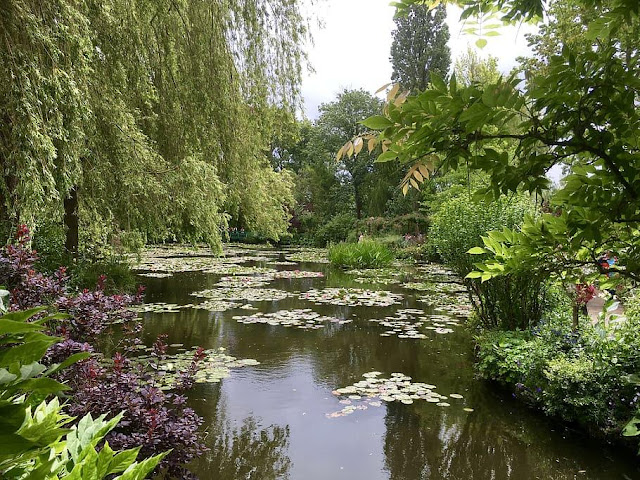
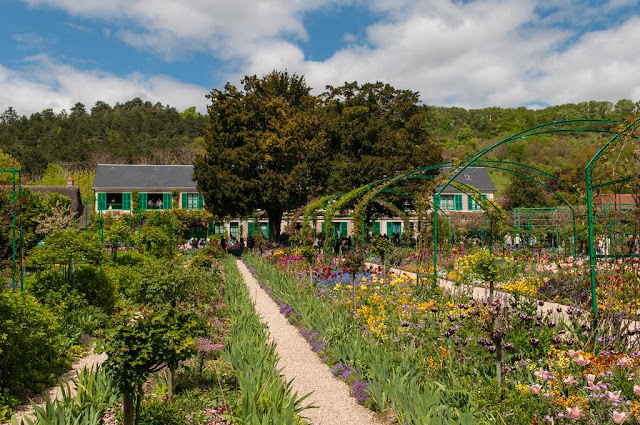
HD wallpaper: Monet, Water Garden, Garden, Plant, cluade monet ...

Sophie lives in the quiet village of Giverny. Every morning, she wakes up to the gentle sounds of nature. The light in Giverny is soft and beautiful, perfect for painting. Sophie is a watercolor artist, and she often finds her inspiration in Claude Monet’s famous garden, which is very close to her house.

After a cup of tea, Sophie walks to the garden. The early morning is the best time, before many visitors arrive. She sees the famous Japanese bridge and the calm water lily pond. The flowers are still fresh with dew. Sophie sits on a bench and sketches in her notebook. She loves how the light changes the colors of the water and the leaves, just like Monet painted.

Around noon, Sophie returns to her small house. She prepares a simple lunch, maybe a fresh salad from her own garden. She eats outside, enjoying the peaceful atmosphere of the village.

In the afternoon, Sophie works in her studio. She takes her sketches and turns them into colorful watercolor paintings. Her art often shows the beautiful nature of Giverny: the water lilies, the weeping willows, and the charming little paths. Sometimes, a friend comes to visit, and they talk about art and the history of the village.

As evening comes, Sophie often takes a last walk. She passes by Monet’s house, now a museum, and sees the golden light on the old stone walls. For Sophie, Giverny is not just a place to live; it is a living canvas. Each day is a new opportunity to feel inspired by the beauty that surrounds her, a beauty that has touched artists for more than a hundred years.

    Now you can do the QUIZ.
Artistic Havens & Creative Souls - Quick Reading - Day 9

 A Day in Key West: Clara's Colorful World

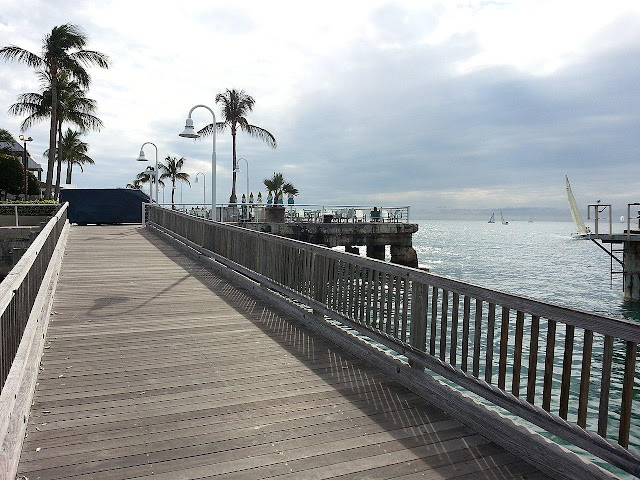
File:Mallory Square, Key West - panoramio (4).jpg - Wikimedia Commons

Clara wakes up every morning in her small, colorful house in Key West. The air is always warm, and she can hear the ocean sounds nearby. She loves the easy, relaxed rhythm of the island. Clara is an artist; she makes small, beautiful art pieces from shells and pieces of glass found on the beach.

Her day starts with a strong coffee on her porch, watching the palms sway. She might then take a quick walk to the lighthouse, feeling the soft morning sun. On her way, she often sees other artists and musicians already beginning their day, enjoying the island's creative spirit.

Around ten o'clock, Clara goes to her small art studio, which is part of her house. She puts on some music and begins to work. She carefully picks shells and uses bright colors to create her art. Each piece is unique, like the island itself. Sometimes, a curious cat, maybe one with six toes like those at Hemingway's old house, walks by her window.

For lunch, Clara often grabs a fresh fish sandwich from a local stand. She eats it by the clear blue water, watching the boats go by. The ocean is always a big inspiration for her art.

In the afternoon, visitors sometimes come to her studio to see her work. Clara loves to talk about her art and about Key West. She tells them about the famous writer Ernest Hemingway and the island's history.

As evening approaches, Clara always walks to Mallory Square. This is the best place to watch the sunset. Musicians play, street artists perform, and everyone claps as the sun paints the sky with amazing colors. For Clara, this moment is perfect, a daily reminder of the beauty and freedom that make Key West her colorful home.

    Now you can do the QUIZ.

Artistic Havens & Creative Souls - Quick Reading - Day 8

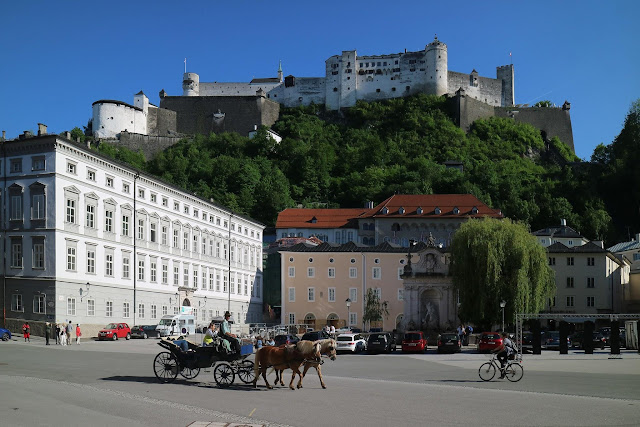
A Day in Salzburg: Leo's Melody

File:Salzburg Kapitelplatz 01.jpg - Wikimedia Commons

Leo wakes up early in Salzburg. He lives in an apartment with a view of the old town and the Hohensalzburg Fortress high on the hill. For Leo, every day in Salzburg starts with music in his head. He is a young student at the Mozarteum, the famous music university.

After a quick breakfast, Leo walks to his classes. He passes Mozart's birthplace, a yellow house on a narrow street. He often sees groups of tourists taking photos there. Leo feels proud to live in the city of such a great composer. The air sometimes feels like it has music in it.

During his morning classes, Leo plays his piano and learns new songs. He works hard, hoping one day to play like the masters. At lunchtime, he often eats a quick sandwich by the Salzach River. He watches the small boats go by and listens to the sounds of the city.

In the afternoon, Leo sometimes has orchestra practice. The sound of many instruments playing together fills the room. It's a powerful feeling. Other days, he meets friends, and they visit a beautiful church or a concert hall. They might even hum a song from "The Sound of Music" as they walk through the Kapitelplatz square.

As evening comes, Leo might relax at a café in the Old Town. He enjoys a hot chocolate and watches people. Sometimes, a street musician plays a beautiful melody, and Leo smiles. For him, Salzburg is not just a city; it is a giant stage where life plays its own sweet music. 

    Now you can do the QUIZ

Artistic Havens & Creative Souls - Quick Reading - Day 7

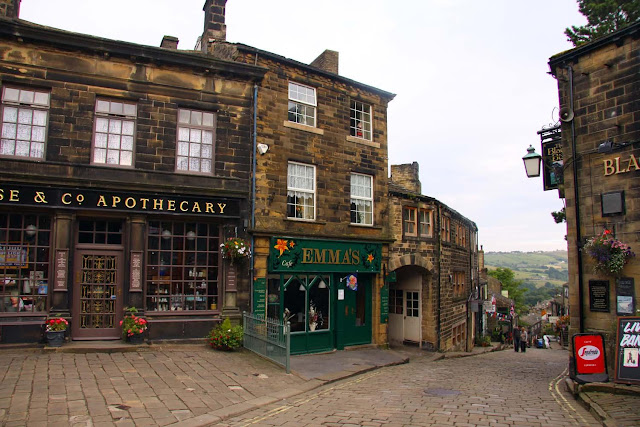
 A Day in Haworth: Sarah's Tea and the Moors

File:Main Street in Haworth - geograph.org.uk - 2649201.jpg ...

Sarah wakes up to the quiet sounds of Haworth village. It is early morning, and the air is cool. She looks out her window at the green hills of the moors, which look wild and beautiful. Sarah owns a small, cozy tea shop near the Brontë Parsonage Museum. She loves living in this famous place.

First, Sarah makes fresh tea and bakes warm scones. Soon, the delicious smells fill her shop. At nine o'clock, she opens the door. Often, the first customers are local people, coming for their morning tea and a friendly chat. Sometimes, hikers arrive, ready to walk on the moors.

Around midday, the museum opens, and more visitors come to Haworth. They walk past Sarah's shop, going to see where the Brontë sisters lived. Sarah loves to see so many people interested in the village's history. She serves tea and cakes, always with a smile.

In the afternoon, when the shop is a little quieter, Sarah often sits by the window. She looks at the old stone houses and imagines Charlotte, Emily, and Anne Brontë walking on these very streets. She sometimes reads a few pages from Jane Eyre or Wuthering Heights. The stories feel very real here.

When the sun starts to go down, Sarah closes her shop. She loves to take a short walk on the moors. The wind often blows, and the sky can change quickly. This wild landscape, so important to the Brontë sisters, makes her feel strong and peaceful. For Sarah, every day in Haworth is a connection to a special past and a beautiful nature.

    Now you can do the QUIZ.

Artistic Havens & Creative Souls - Quick Reading - Day 6

A Day in Arles: Jules and the Light

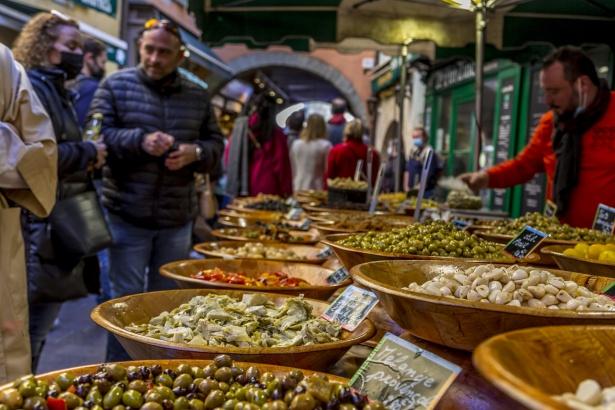
Marknad I Frankrike Gratis Stock Bild - Public Domain Pictures

Jules wakes up early in his small apartment in Arles. The first light of morning fills his room. It is a special, bright light, the same light that Vincent van Gogh loved. Jules makes strong coffee and eats a fresh croissant from the bakery downstairs. He enjoys the quiet start to his day.

Around eight o'clock, Jules walks to the farmers' market. It is full of colors and sounds. Farmers sell fresh fruits, vegetables, and flowers. Jules greets his friends who have small shops there. He buys some cheese and olives. The market is a lively place, full of life, just like in Van Gogh's paintings.

After the market, Jules walks by the Roman arena. He often stops to look at the old stones. He imagines gladiators and crowds from long ago. Arles has a very long history, and Jules feels connected to it every day. Sometimes, he sees artists painting near the arena, trying to capture the light.

For lunch, Jules usually eats at a small, friendly restaurant near the Rhône River. He likes to sit outside and watch the water. The river flows calmly, just as it did when Van Gogh painted it at night.

In the afternoon, Jules works as a guide. He shows visitors the famous places in Arles: Van Gogh's yellow house, the café he painted, and the Roman theatre. He tells stories about the painter and the city's past. He loves to see people's happy faces.

As evening comes, Jules often meets friends for a glass of wine. They sit in a square, talking and laughing. The city lights come on, warm and inviting. For Jules, every day in Arles is beautiful, full of art, history, and a very special light.

    Now you can do the QUIZ.

Sunday, May 25, 2025

Artistic Havens & Creative Souls - Quick Reading - Day 5

 Love Blooms in Giverny

Claude Monet house and garden in Giverny | Anna & Michal | Flickr
Claude Monet house and garden in Giverny

Eliza was a history student. She loved old places and stories. One summer, she came to Giverny to study Claude Monet’s famous garden. She wanted to learn all its secrets.

One sunny morning, she saw a man working in the garden. He was carefully looking at the flowers and the water lilies. He wore a big hat and had kind eyes. His name was Thomas, and he was a gardener there.

Eliza asked him about a special plant. Thomas smiled. "This plant has a long history in Monet's garden," he said. He knew many stories about the garden and about Monet. Eliza listened carefully, surprised by his knowledge.

They started to meet every day. Thomas taught Eliza about the plants, and Eliza shared her history books with Thomas. They walked by the water lily pond and over the Japanese bridge. Their friendship grew slowly, like a beautiful flower.

When summer ended, Eliza had to go back to university. She finished her degree. But her heart stayed in Giverny with Thomas.

One year later, Eliza made a big decision. She moved to Giverny! She wanted to be close to the garden and to Thomas. Thomas was so happy.

One afternoon, as they stood by the water lilies, Thomas took Eliza's hand. "This garden is special," he said. "And you are special. Will you marry me, Eliza?"

Eliza's eyes shone like the water in the pond. "Yes, Thomas!" she whispered.

They married in Giverny. After that, they decided to build their own small garden near their house. As they worked the soil and planted new flowers, they also cultivated their love, letting it grow strong and beautiful, just like Monet's timeless garden.

Now you can do the QUIZ.

Artistic Havens & Creative Souls - Quick Reading - Day 4

 A Sunset Connection in Key West

Sunset in Key West - Florida, United States - Seascape pho… | Flickr
Sunset in Key West - Florida, United States

Leo was a musician. He came to Key West from a big city. He loved the warm air and the blue ocean. Every evening, he played his guitar on Mallory Square. Many people came there to watch the beautiful sunset.

One evening, a woman stopped to listen to Leo's music. She had bright, happy eyes and a warm smile. Her name was Maya, and she was an artist. She drew pictures of the sky and the sea. After his song, she clapped loudly.

"That was wonderful!" Maya said. "Your music is like the sunset."

Leo smiled. "Thank you. Your art is like the colors of the island."

They started to talk. Leo learned that Maya lived in Key West and loved its free spirit. Maya learned that Leo was looking for a new place to call home, a place that inspired him. They shared stories about their dreams and their art. The sun went down, painting the sky with amazing colors.

They met again every evening at Mallory Square. Leo played his guitar, and Maya drew. Slowly, their friendship grew stronger. They talked about Hemingway's old house and the six-toed cats. They walked along the lively streets.

One night, after the last light of the sun was gone, Leo stopped playing. He looked at Maya. "This island," he said, "and your smile... they make me feel like I am home."

Maya reached for his hand. "Maybe you are," she said softly.

Under the stars of Key West, an island of freedom and art, Leo and Maya found a new melody for their lives, a song of art and love that began with a beautiful sunset.

Now you can do the QUIZ.

Artistic Havens & Creative Souls - Quick Reading - Day 3

 A Summer Melody in Salzburg

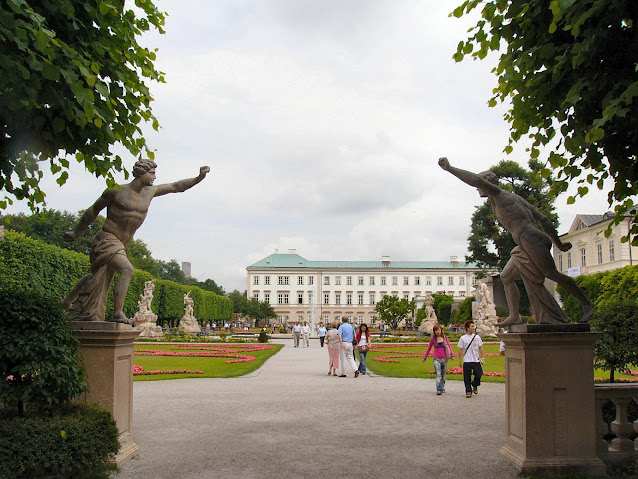
Palace of Mirabell in Salzburg, Austria image - Free stock photo ...
Palace of Mirabell in Salzburg, Austria

Mia loved music. She came to Salzburg for a summer music course. She wanted to learn and see the city of Mozart. One day, she was practicing her violin in a park near the Salzach River. Another student sat nearby, listening. He had kind eyes and played the piano. His name was Leo.

They started talking. They shared their love for classical music and their dreams for the future. They spent many afternoons together, exploring Salzburg’s old streets and beautiful squares. They walked by the Dragon Bridge and laughed. Their friendship grew, like a quiet, lovely melody. When the summer ended, they said goodbye, but they promised to stay in touch.

In September, a wonderful surprise happened. Mia arrived at the university in Salzburg for her first year of music studies. And there was Leo! He was also a new student at the same university. They both smiled big.

University life was busy, but Mia and Leo made time for each other. They studied together, went to concerts, and walked by the river. Their shared passion for music and the charm of Salzburg brought them closer. Slowly, their friendship changed into a beautiful romance.

After many years of study, they graduated. Their love for music, and for each other, was stronger than ever. Salzburg, the city of music, was not just their university town; it was the place where their love story began and continued, like a beautiful song.

Now you can do the QUIZ.

Artistic Havens & Creative Souls - Quick Reading - Day 2

 A Story Begins in Haworth

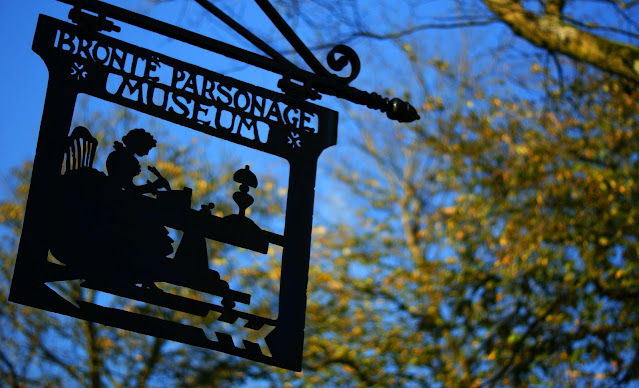
Bronte Parsonage Museum | Bronte Parsonage Museum on Friday … | Flickr

Eleanor loved old books and the Brontë sisters. She was a member of the Brontë Society. One cold afternoon, she visited the Haworth Parsonage, the sisters’ old house. Inside, she saw a man looking at a display about Emily Brontë. He was also a member of the Society. His name was Ben.

They started talking. They shared their love for Jane Eyre and Wuthering Heights. They walked through the old rooms, talking about the Brontë sisters' lives. The house felt warm and full of stories. Outside, the wild moors stretched far away. Eleanor and Ben felt a special connection. They spent the whole day together.

After that day, Eleanor returned to her home in Bradford. Ben lived far away, but they kept talking. They sent many messages and had long calls. They learned more about each other every day.

A few months later, something wonderful happened. Ben found a job in Bradford! He moved to the city, and they started to meet often. Their friendship slowly became a beautiful romance.

One year later, on a sunny day, they went back to Haworth. They had a special private tour of the Parsonage. When they were in the Brontë sisters' study, Ben looked at Eleanor. He smiled and took a small ring from his pocket.

"Eleanor," he said softly, "you are my favorite story. Will you marry me?"

Eleanor's eyes filled with happy tears. "Yes, Ben! Yes!" she cried.

In the house where so many great stories were written, Eleanor and Ben began their own happy chapter.

Now you can do the QUIZ.

Artistic Havens & Creative Souls - Quick Reading - Day 1

 A Painter's Promise in Arles

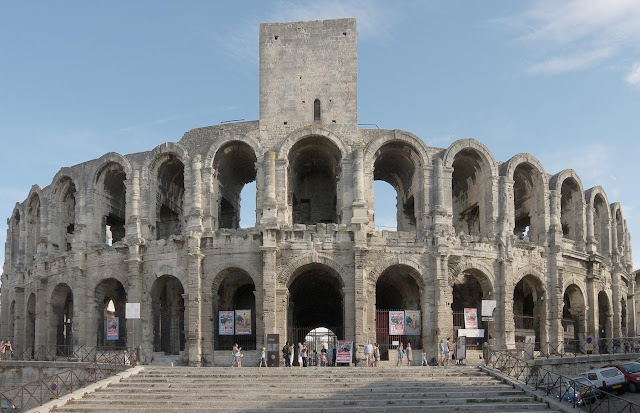
File:FranceArlesArenes 07-2010.jpg - Wikimedia Commons
France, Arles - Arenes

Lila came to Arles to paint. She loved the bright colors of the south of France. One sunny morning, she was painting near the old Roman arena. Another artist was painting there too. He had kind eyes and a strong brush. His name was Marc.

They started to talk. They both loved to paint and found inspiration in the same places, just like Van Gogh. They spent many weeks together in Arles, painting, walking, and sharing ideas. Their connection grew strong, like a beautiful painting. They fell in love.

But then, Lila had to go back home. Her family needed her. It was a sad goodbye. "I will come back to Arles," she promised Marc. "And we will paint together again." Marc promised her the same.

Many years passed. Lila often thought of Marc and their time in Arles. She kept her promise. One summer, she returned to the city. Her heart beat fast as she walked to the old Roman arena, the place where they first met.

And there he was. Marc was painting, just as she remembered him. He looked up, and his eyes found hers. A big smile came to his face. "Lila!" he said. "You came back."

"I told you I would," she replied, her voice soft.

They hugged for a long time. The old arena, which had seen so much history, now saw a new beginning for their love. In Arles, the city of light and art, their promise finally came true.

Now you can do the QUIZ.

Saturday, May 24, 2025

The Danish Vikings - Quick Reading - Day 5

 The End of the Viking Age in Denmark

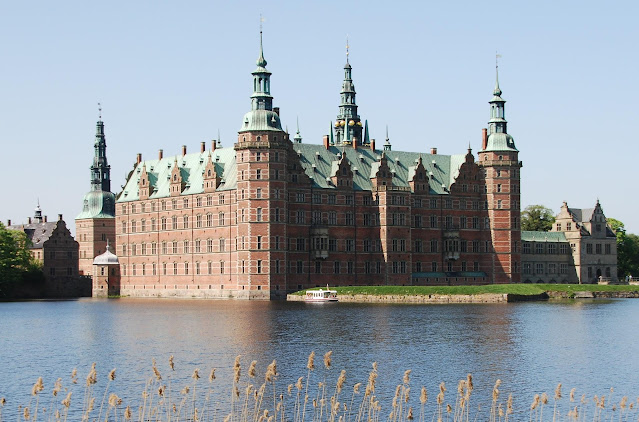
Archivo:Frederiksborg Castle and boat crop.jpg - Wikipedia, la ...
Frederiksborg Castle and boat crop

The Viking Age did not last forever. After hundreds of years, the Danish Vikings changed. One big reason for this change was Christianity. Missionaries from Europe came to Denmark and slowly, over time, the Danish people began to accept the new religion. Christianity brought new ways of thinking and new laws. The Viking raids, which were often violent, became less common because the new Christian beliefs did not support such actions.

Another reason for the end of the Viking Age was the rise of strong kingdoms. In Denmark, kings became more powerful. They built larger armies and navies that they controlled. This meant that individual Viking chiefs could not just sail off and raid as they pleased. The kings wanted to control the land and the people, and they tried to stop the independent Viking raids.

Also, many Vikings settled in the lands they visited. They built new homes and started families in places like England, France, and Russia. They became farmers and traders in these new lands, and their children grew up as part of the local culture. This meant fewer people went on long Viking voyages from Denmark. Slowly, the Viking lifestyle changed, and the Viking Age, as we know it, came to an end, leading to the formation of the Danish kingdom we know today.

Now you can do the QUIZ.

The Danish Vikings - Quick Reading - Day 4

Viking Trade and Economy

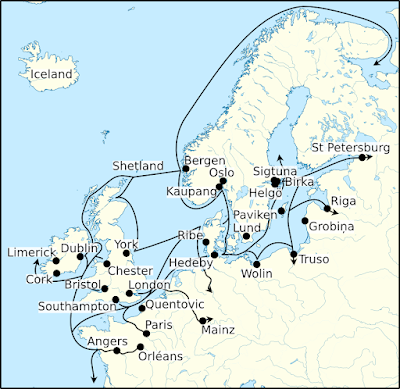
File:Viking Age trade routes in north-west Europe.png - Wikimedia ...
Viking Age trade routes in north-west Europe

The Danish Vikings were not only warriors; they were also very skilled traders. Trade was a very important part of their life and economy. They traveled long distances by sea, bringing goods from faraway lands back to Denmark, and selling Danish products abroad.

The Vikings traded many different items. They often sold goods that they took from other places, like silver, gold, and fine textiles. But they also traded things from their own land, such as animal furs, especially from foxes and wolves, and amber, which is a beautiful fossilized tree resin. They also traded iron tools and weapons that they made. In return, they bought things they needed or wanted, like silk from Asia, wine from France, and different kinds of spices.

They used special weights and scales to measure the value of goods. Silver was a very important form of money. They used silver coins and also pieces of silver that they cut to the correct weight. Trading helped the Vikings become rich and powerful. It also helped them learn about different cultures and bring new ideas and products back to Scandinavia. Their trade routes went across Europe and even further. 

Now you can do the QUIZ.

The Danish Vikings - Quick Reading - Day 3

Viking Life: Homes and Villages

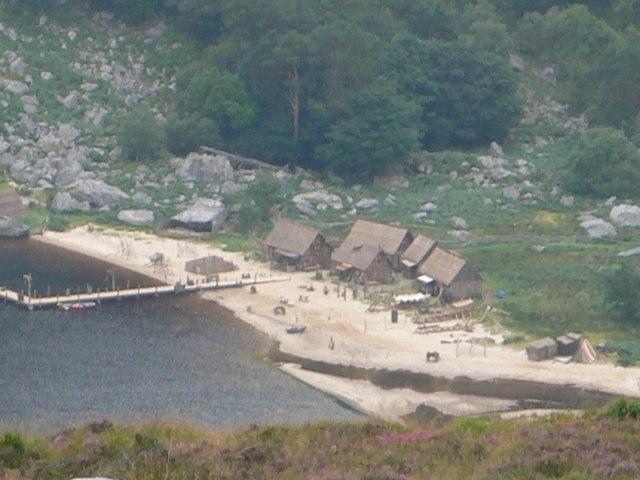
Viking village on Lough Tay © Eirian Evans :: Geograph Ireland
Viking Village in Ireland

The Danish Vikings lived in communities, usually in small villages or isolated farms. Their homes were often longhouses. These were long, rectangular buildings that housed not only the family but sometimes their animals too, especially during the cold winter months. The walls of these longhouses were typically made from wood or wattle and daub (a mix of wet earth, clay, and straw). The roofs were often covered with turf or thatch, which helped keep the houses warm in winter and cool in summer.

Inside a longhouse, there was usually one large room with a fireplace in the middle. Smoke from the fire went out through a hole in the roof. People sat, ate, and slept around the fire, which provided warmth and light. There were often benches along the walls that served as beds at night. Daily life revolved around farming, crafting, and preparing for journeys.

Outside the longhouse, a Viking village had other buildings. There were workshops for making tools, blacksmiths' forges for working with iron, and storage sheds for food and supplies. Animals like cows, pigs, and chickens also lived in the village. Life was simple but demanding. Families worked together to survive and prepare for the next season or the next voyage. Their villages were the heart of their world. 

Now you can do the QUIZ.

The Danish Vikings - Quick Reading - Day 2

Viking Longships: How They Sailed

HD wallpaper: viking ship, sail, historically, helm, sailing boat ...

The Viking longship was a truly amazing invention. It was very important for the Danish Vikings because it allowed them to travel far from their homes. These ships were long and narrow, and they were built from strong oak wood. The Vikings used iron tools to cut the trees and shape the planks. They worked hard to make each ship perfect.

A longship had a large square sail in the middle, which helped the ship move fast when the wind blew. But it also had many oars along its sides. When there was no wind, or when they needed to move in a river, the Viking warriors rowed the ship with their oars. This made the ships very flexible; they could sail on the open sea or move quietly up a narrow river.

The ships had a special design that made them very stable on rough waters. They were also light enough to be pulled onto land when needed. This was important for surprise attacks or for repairing the ship. The front of the ship often had a carved dragon or snake head, which looked scary and powerful. These ships were not just transport; they were a symbol of Viking power and their connection to the sea. The skill of building these ships was passed down through generations.

Now you can do the QUIZ.
The Danish Vikings - Quick Reading - Day 1

 Who Were the Danish Vikings?

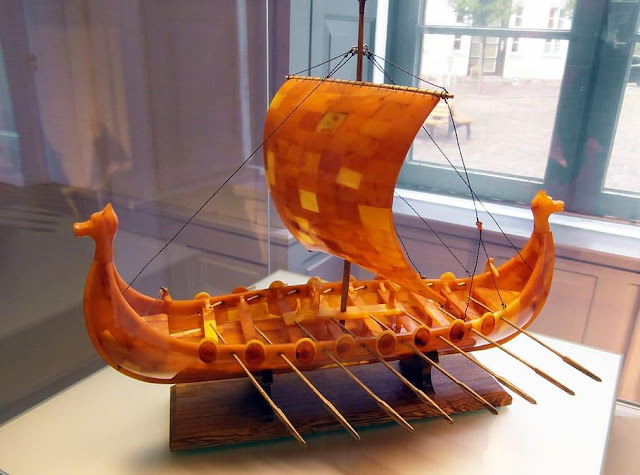
Viking art | Frederiksborg Castle, Danish Museum of National… | Flickr

Many hundreds of years ago, from about the year 793 to 1066, a group of people from Scandinavia sailed across the seas. We call them Vikings. Some of these powerful people came from the area that is now Denmark. They were known as Danish Vikings. These Vikings were not just fighters; they were also farmers, traders, and explorers. They lived in small villages and towns. Their homes were often made of wood and earth.

Life for the Danish Vikings was often hard. They worked on their farms, grew food, and raised animals. But they also built amazing longships. These ships were special because they were fast and strong. They could sail on the open ocean and also in shallow rivers. This allowed the Vikings to travel far and wide.

The Danish Vikings often left their homes in spring. They sailed to many different lands, like England, France, and parts of Russia. They traveled for new land, for trade, and sometimes to take goods. They were very brave and skilled sailors. When they arrived in new places, they sometimes traded things like animal furs, wood, and iron. Other times, they fought for land and riches. Their history is long and full of adventure and change.

Now you can do the QUIZ.

Sunday, May 18, 2025

Charming Canals & Romantic Bridges - Quick Reading - Day 5

A Lock on the Ljubljanica

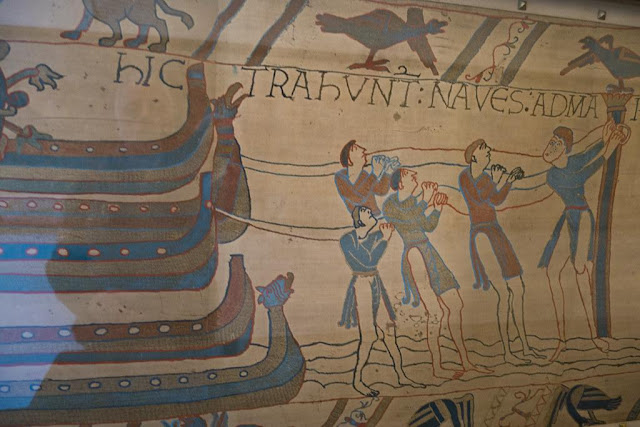
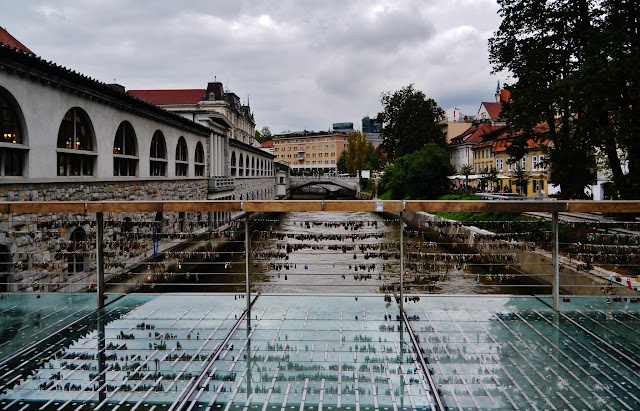
Datei:Ljubljana Ljubljanica 6.JPG – Wikipedia

Mark and Ana were visiting Ljubljana. They were a young couple in love. They had heard about the Butchers' Bridge, the bridge where people put padlocks with their names to show their love for each other.

One sunny afternoon, they walked to the Butchers' Bridge. It was full of colorful padlocks of all sizes. Mark took a small, shiny padlock out of his pocket. Ana looked surprised.

"What's this?" she asked, smiling.

"It's for us," Mark said. He had written their names, "Mark & Ana," and the date on it.

Together, they found a good spot on the bridge. Mark clipped the padlock onto the metal railing, and then he gave Ana the key.

"Now, we throw the key into the river," he said. "So our love will stay locked here forever."

They held hands and threw the key into the green Ljubljanica River below. The water flowed on, carrying their little key away.

Ana's eyes were a little teary. "That's so sweet, Mark," she said.

They stood on the bridge for a moment, looking at their padlock among all the others. Each lock told a story of love and commitment.

Later, they walked along the riverbanks, holding each other close. The Dragon Bridge with its fierce statues watched over them. The gentle flow of the Ljubljanica seemed to whisper promises of lasting love, just like their little padlock on the Butchers' Bridge.

Now you can do the QUIZ.
Charming Canals & Romantic Bridges - Quick Reading - Day 4

 A Summer Promise in Petite France

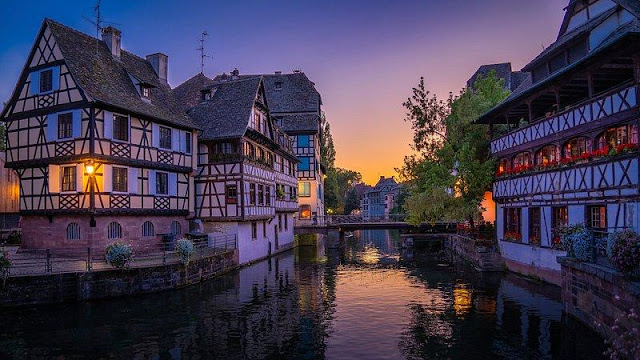
Strasbourg Images | Free Photos, PNG Stickers, Wallpapers ...

Sophie was revisiting Strasbourg, a city that held a special place in her memories. Years ago, as a student, she had spent a magical summer here. It was in the charming district of Petite France, with its winding canals and half-timbered houses, that she had met Antoine.

Antoine had shown her the beauty of his city. They had spent countless hours walking along the Quai des Bateliers, sharing stories and laughter. Sophie had fallen for his kind eyes and gentle spirit. However, Antoine had been engaged at the time, a fact that cast a bittersweet shadow over their summer together. They had parted with a promise of friendship, knowing that a deeper connection was impossible then.

Now, years later, as Sophie strolled along the familiar cobblestone paths of Petite France, she saw a man sitting at a café, his gaze fixed on a book. There was something familiar about his posture, the way his hand rested on the table. Could it be?

He looked up, and a flicker of recognition crossed his face, followed by a look of genuine surprise. "Sophie? Is that really you?" he asked, his voice a little husky.

"Antoine?" she replied, her heart skipping a beat. The years melted away as they looked at each other.

He stood up, and they greeted each other with a warmth that spoke of the unspoken feelings from that long-ago summer. They sat down at the café, the gentle murmur of the canal a familiar soundtrack to their renewed conversation.

Antoine explained that his engagement had ended not long after Sophie left. He confessed that he had often thought of her and that summer in Petite France. Sophie, in turn, admitted that he had remained a cherished memory.

As the afternoon sun dappled through the leaves, casting a golden light on the canals, they walked hand in hand, a silent acknowledgment of the second chance they had been given. The unspoken promises of that summer long ago now had the space to bloom in the enchanting setting where their connection had first sparked.

Now you can do the QUIZ.
Charming Canals & Romantic Bridges - Quick Reading - Day 3

 A Second Chance in Little Venice

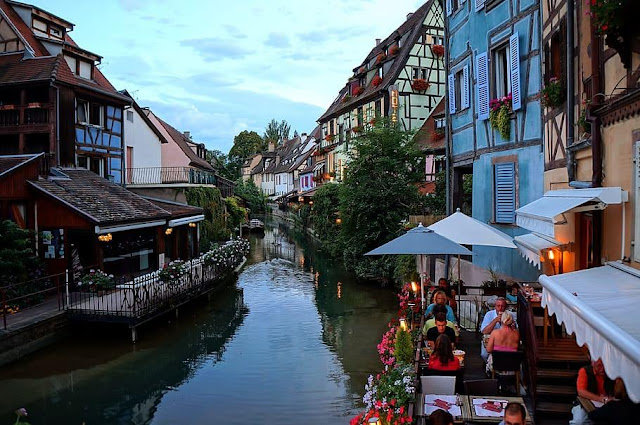
HD wallpaper: colmar, fishermen's quarter, petite venise ...

Catherine was visiting Colmar for the first time. She was in her early 60s and loved to travel. As she walked by the pretty canals of "Little Venice," she admired the colorful houses and flowers.

Suddenly, she saw a man trying to take a photo. He looked a little lost. He was in his late 50s, with kind eyes and a friendly smile. "Excuse me," he said with a slight accent. "Could you please take a picture of me?"

Catherine smiled. "Of course," she said. She took his phone and snapped a photo of him with the charming canals in the background.

"Thank you very much," he said. "My name is Jean-Luc. I am visiting Colmar."

"It's a beautiful place," she replied. "I'm Catherine."

They started talking. They discovered they were both traveling alone and both loved art and history. Jean-Luc told Catherine he had always dreamed of visiting Colmar.

As they walked along the canals, they shared stories about their lives. They laughed a little and found they had a lot in common. The gentle flow of the water and the beauty around them created a peaceful atmosphere.

Later that day, Jean-Luc suggested a small boat ride on the canals. Catherine agreed. As the boat glided gently past the colorful houses, Jean-Luc looked at Catherine. "This is very nice," he said. "Would you perhaps like to have dinner with me tonight?"

Catherine's heart fluttered a little. It had been a long time since someone had asked her that. She smiled warmly. "Yes, Jean-Luc," she said. "I would like that very much."

In the fairytale setting of Colmar, surrounded by the charm of "Little Venice," Catherine and Jean-Luc found a surprising and lovely connection, proving that romance can blossom at any age.

    Now you can do the QUIZ.
Charming Canals & Romantic Bridges - Quick Reading - Day 2

 Ribbons of Love on the Bridge

Sofia loved to walk by the canals in Aveiro. One sunny morning, she was walking near the Ponte dos Laços de Amizade. This bridge was special because many people tied colorful ribbons to it. The ribbons were for wishes and for friendship.

While Sofia was looking at the ribbons, a young man bumped into her gently. He was carrying a small bag. "Oh, excuse me!" he said. His name was João.

Sofia smiled. "No problem," she replied.

João noticed the ribbons on the bridge. "Do you know why people put ribbons here?" he asked Sofia.

"Yes," she said. "It's for wishes and for friends."

João took a colorful ribbon from his bag. "I want to put one for a new friend," he said, looking at Sofia.

Sofia felt her face get a little warm. "That's a nice idea," she said.

Together, they tied the ribbon to the bridge. Their hands touched for a moment. It felt like a small spark.

After tying the ribbon, João asked Sofia, "Would you like to walk with me by the canal? I was going to get some 'ovos moles'."

Sofia smiled again. "Yes, I would like that very much."

As they walked and talked by the water, with the colorful ribbons waving on the Ponte dos Laços de Amizade behind them, it felt like maybe this new friendship could become something more.

Now you can do the QUIZ.

Charming Canals & Romantic Bridges - Quick Reading - Day 1

 A Boat Ride and a Smile

Elara came to Giethoorn for a quiet day. She wanted to see the famous water roads. She went to a small shop to rent a boat. A friendly young man with a kind smile helped her. His name was Finn.

Elara got into a small punter boat. It was a bit difficult to move. Finn saw she needed help. "Do you want some help?" he asked. Elara said, "Yes, please!"

Finn gently showed her how to use the long stick to move the boat. They went slowly along the canals. The little houses looked very pretty, and the flowers were colorful. Elara felt happy and relaxed.

As they floated on the water, Elara and Finn talked. She told him she was visiting. He told her he lived in Giethoorn and loved the water. They laughed a little when Elara’s hat almost fell into the canal.

The hour went by quickly. When Elara returned the boat, she thanked Finn. "I really enjoyed it," she said. "Thank you for your help."

Finn smiled at her. "You're welcome, Elara. Maybe you would like to have a coffee by the water tomorrow?"

Elara’s face became a little pink. "Yes," she said. "I would like that very much."

They smiled at each other again. The quiet water of Giethoorn seemed to smile with them.

Now you can do the QUIZ.